
(Dasyuridae)
Dasyurids
Кволові
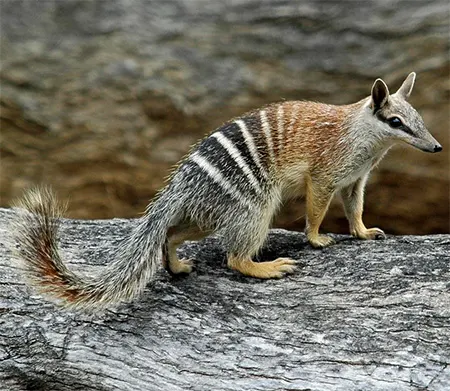
The Dasyuridae are a family of marsupials native to Australia and New Guinea, including about 80 extant species divided into 17 genera. Many are small and mouse-like or shrew-like, giving some of them the name marsupial mice or marsupial shrews, but the group also includes the cat-sized quolls, as well as the Tasmanian devil. They are found in a wide range of habitats, including grassland, underground, forests, and mountains. Some species are arboreal or semiaquatic. The Dasyuridae are often called the ‘marsupial carnivores’, as most members of the family are insectivores.
Most dasyurids are roughly the size of mice, but a few species are much larger. The smallest species is the Pilbara ningaui, which is from 4.6 to 5.7 cm in length, and weighs just 2 to 9 g, while the largest, the Tasmanian devil, is 57 to 65 cm long, and weighs from 6 to 8 kg. The smaller dasyurids typically resemble shrews or mice in appearance, with long tails and narrow, pointed noses. The larger species bear a resemblance to such placental carnivores as mongooses or mustelids.
Many features of dasyurids are considered primitive; that is, they resemble the features of the earliest marsupials, from which other species, such as kangaroos and bandicoots, later diverged. For example, all of the toes in dasyurids are separate, whereas in many other marsupials, the second and third toes are fused. Similarly, many species lack a full marsupial pouch, instead having a simple fold of skin surrounding the teats to provide some protection to the developing young. The dentition of dasyurids is also considered primitive, and differs from that of other marsupials. Their dentition is similar to many carnivores, characterized by bladelike incisors, large, sharp canines, and upper molars modified with large, sharp cusps.
Dasyurids are primarily insectivorous, but they will also eat small lizards, fruit, and flowers. One of the few exceptions to this rule is the Tasmanian devil, which subsists mainly on vertebrate carrion. They have relatively simple digestive tracts, as is typical of insectivores and other carnivores.
Gestation lasts from 12 to 16 days, and results in the birth of from two to 12 young, depending on species. Smaller species typically breed at least twice a year, while the larger forms tend to breed just once. The length of lactation reflects this, with young dunnarts, for example, being weaned after 60–70 days, but young quolls only after 8–9 months. Most dasyurid species are sexually mature at one year of age, but, again, the quolls and Tasmanian devil, being larger, take longer to mature and do not reach full adulthood for about two years.
Adult dasyurids are typically solitary, or travel in small groups of two to three individuals.
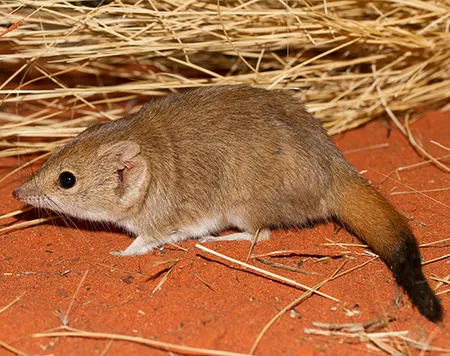
(Dasycercus cristicauda)
Crest-tailed Mulgara
Мулгара гребнехвоста
It has been recorded in the southern Simpson Desert near the tri-state border and in the Tirari and Strzelecki Deserts of South Australia and the western Lake Eyre region.
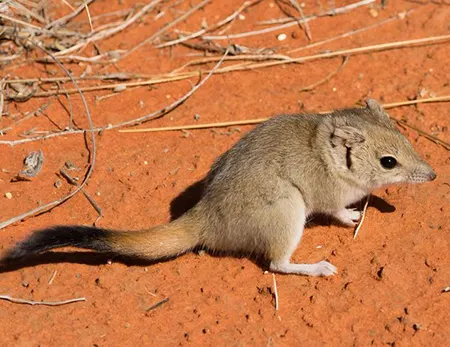
(Dasycercus blythi)
Brush-tailed Mulgara
Мулгара пухнастохвоста
It is found in central Western Australia and the southern Northern Territory, as well as isolated locations in northern South Australia and western Queensland.
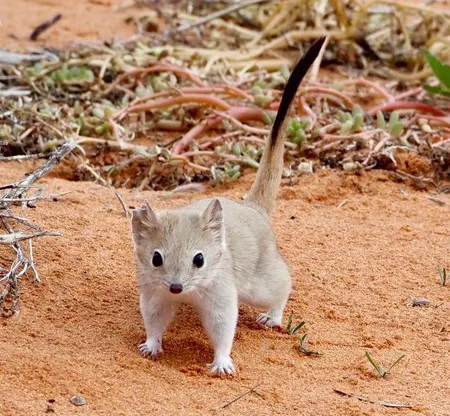
(Dasycercus hillieri)
Ampurta
Ампурта
The genus (Dasycercus) also includes: Little Mulgara (Dasycercus marlowi), Northern Mulgara (Dasycercus woolleyae).
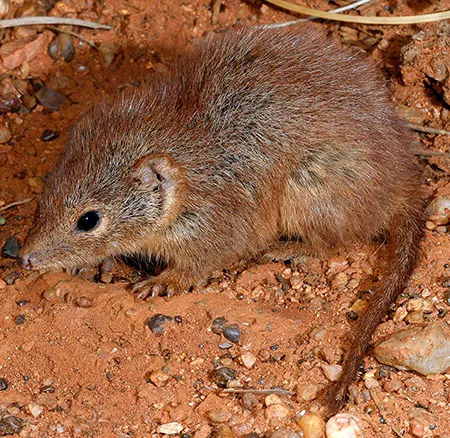
(Dasykaluta rosamondae)
Kaluta
Калута
It is moderately common in the Pilbara, the western part of the Little Sandy Desert, and parts of the Carnarvon Basin in Western Australia.
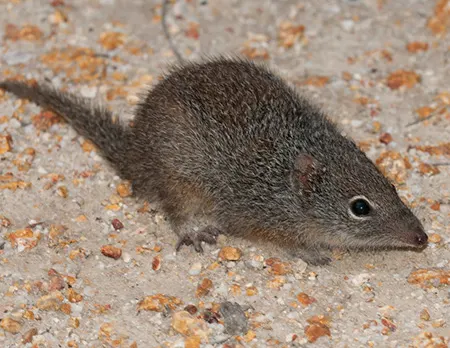
(Parantechinus apicalis)
Dibbler
Діблер
It is found in south-western Western Australia, where it is located on Boullanger Island, Whitlock Island and Escape Island. They are also found on the South Coast in the Fitzgerald River National Park, Peniup Proposed Nature Reserve and on Gunton Island in the Recherche Archipelago.
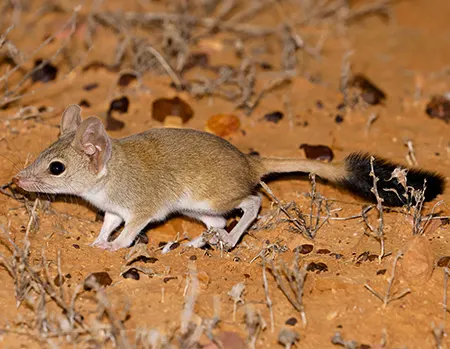
(Dasyuroides byrnei)
Kowari
Коварі
It is found in stony desert areas of the Lake Eyre drainage basin, including the Sturt Stony Desert in north-eastern South Australia and south-western Queensland’s Channel Country.
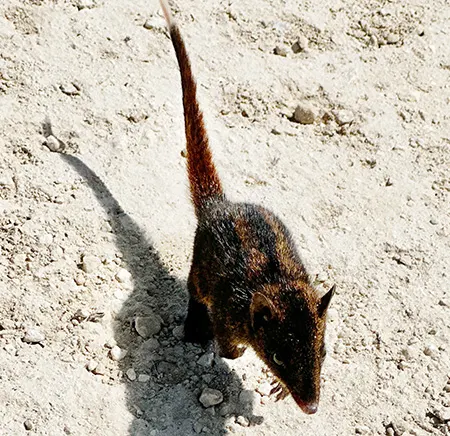
(Myoictis leucura)
Woolley’s Three-striped Dasyure
Трисмугий дасюр Вуллі
It is found in isolated locations in southern and eastern Papua New Guinea.
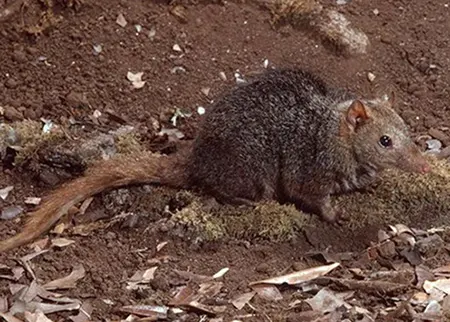
(Myoictis wallacei)
Wallace's Three-striped Dasyure
Трисмугий дасюр Воллеса
It is found in Indonesia and Papua New Guinea, specifically on the Aru Islands in Indonesia’s Maluku Province. It occurs at elevations of 30–920 m.
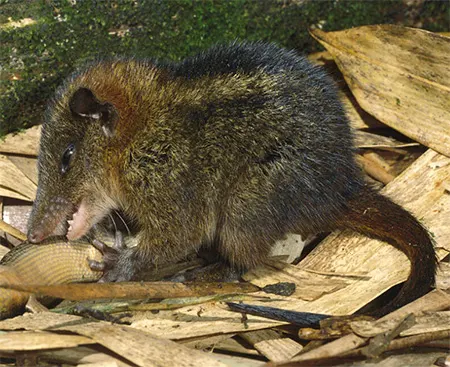
(Myoictis melas)
Three-striped Dasyure
Трисмугий дасюр
It is found in West Papua and Papua New Guinea. It occurs at elevations of 0–1,800 m.
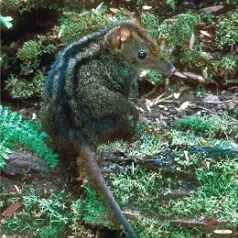
(Myoictis wavicus)
Tate's Three-striped Dasyure
Трисмугий дасюр Тейта
It is found in eastern Papua New Guinea. It occurs at elevations of 975–1,810 m.
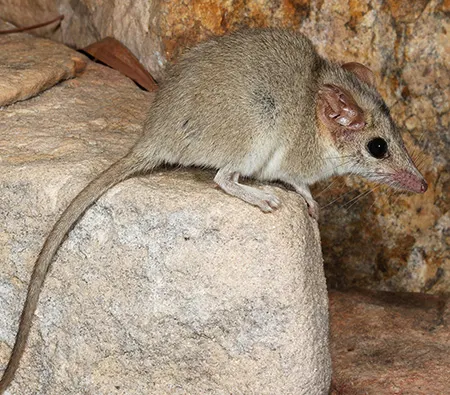
(Pseudantechinus bilarni)
Sandstone False Antechinus
Піщаникова сумчаста миша
It is found in rocky areas around the Top End and the Gulf of Carpentaria in the Northern Territory. It also inhabits coastal rock platforms on Marchinbar Island.
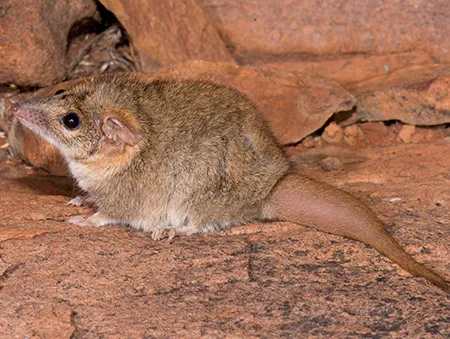
(Pseudantechinus macdonnellensis)
Fat-tailed False Antechinus
Товстохвоста сумчаста миша
It is found in the rocky environments of Central Australia, as well as throughout South Australia, the Northern Territory, and Western Australia.
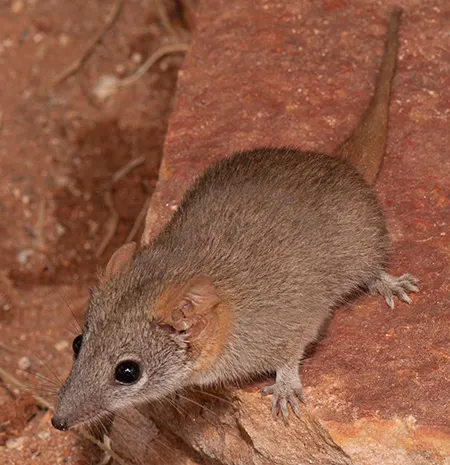
(Pseudantechinus mimulus)
Carpentarian False Antechinus
Карпентарійський сумчаста миша
It is endemic to Australia and found only in five localities: near Mount Isa in north-western Queensland, at Alexandria Station on the Barkly Tableland in the Northern Territory, and on three small islands in the Sir Edward Pellew Group.
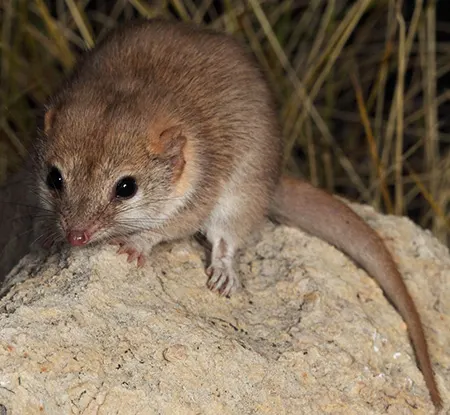
(Pseudantechinus ningbing)
Ningbing False Antechinus
Кімберлійська сумчаста миша
It is found in the Kimberley region of Western Australia, inhabiting rocky outcrops in a wide range of vegetation types.
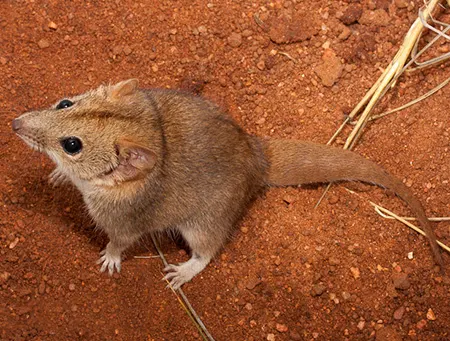
(Pseudantechinus woolleyae)
Woolley's False Antechinus
Сумчаста миша Вуллі
It inhabits rocky hillsides, usually vegetated with acacia scrub or spinifex grass. It is found in the western area of Western Australia.
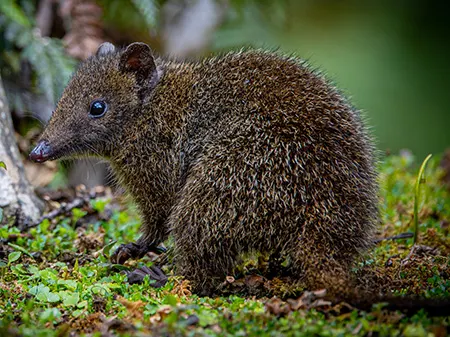
(Neophascogale lorentzii)
Speckled Dasyure
Плямистий дасюр
It is found in the Central Range of New Guinea, from the Weyland Range to the Hagen Range. It occurs at elevations of 1,200–3,900 m.
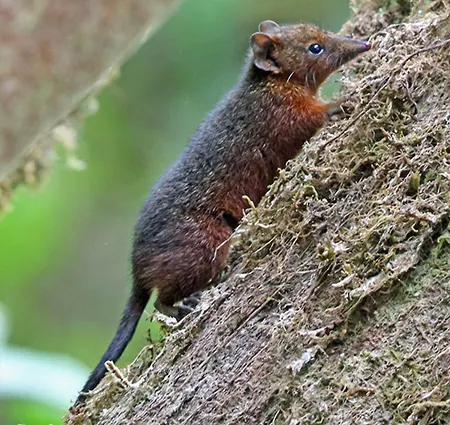
(Phascolosorex doriae)
Red-bellied Marsupial Shrew
Червоночерева сумчаста землерийка
It is endemic to West Papua, from the Vogelkop Peninsula to the Weyland Range. It occurs at elevations of 900–2,000 m.
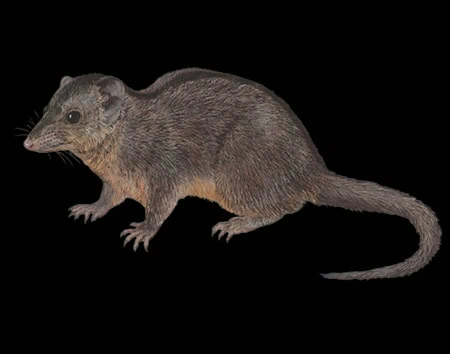
(Phascolosorex dorsalis)
Narrow-striped Marsupial Shrew
Вузькосмугова сумчаста землерийка
It is found in New Guinea, specifically in the Central Cordillera, the Finisterre and Saruwaget ranges and the mountains of the Chendrawasi Peninsula. Its natural habitat is subtropical or tropical dry forests at elevations of 1,500–3,600 m.
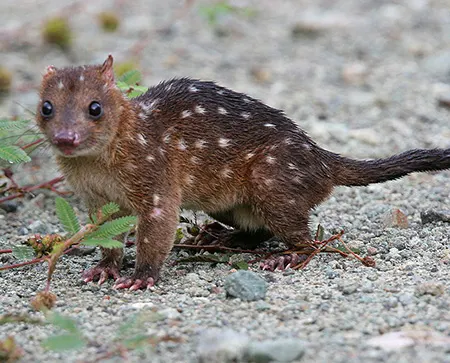
(Dasyurus albopunctatus)
New Guinean Quoll
Квол новогвінейський
It lives throughout the forests of New Guinea, except in the south-western lowlands, at elevations up to 3,300 m but usually closer to 900 m.
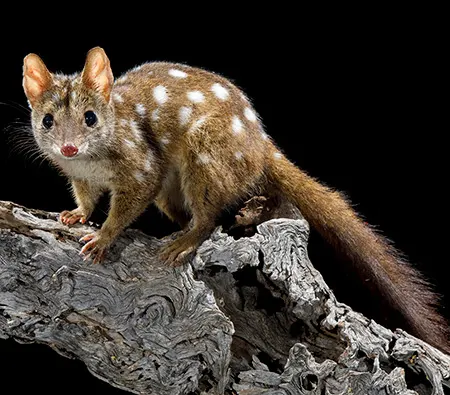
(Dasyurus geoffroii)
Western Quoll
Квол західний
It is confined to the south-western corner of Western Australia.
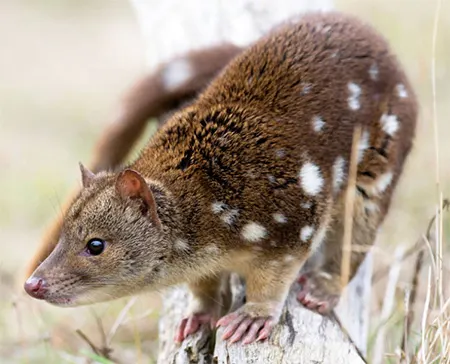
(Dasyurus hallucatus)
Northern Quoll
Квол північний
It occurs from the Pilbara region of Western Australia across the Northern Territory to south east Queensland.
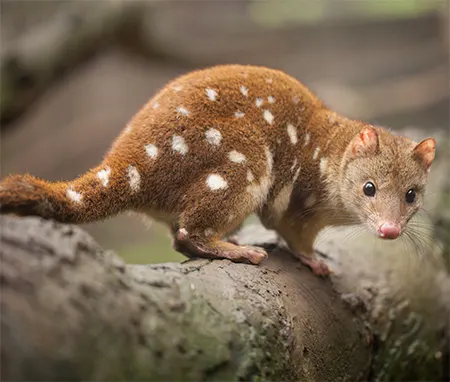
(Dasyurus maculatus)
Tiger Quoll
Квол тигровий
It is found in wet forests from south-eastern Australia and Tasmania to northern Queensland.
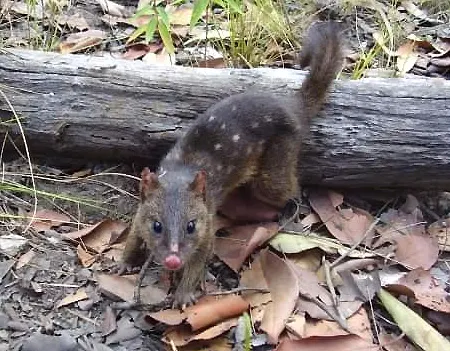
(Dasyurus spartacus)
Bronze Quoll
Квол бронзовий
It is found only in the Trans-Fly savanna and grasslands of Papua New Guinea and South Papua in Indonesia.
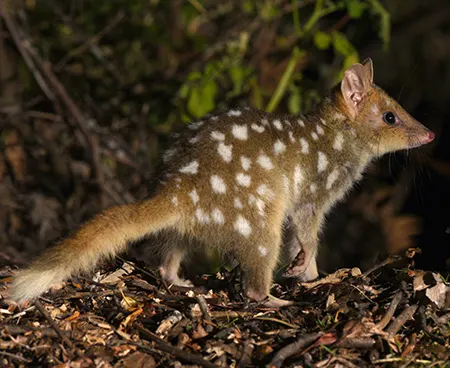
(Dasyurus viverrinus)
Eastern Quoll
Квол крапчастий
It is found in Tasmania and on Bruny Island. It inhabits rainforests, heathlands, alpine areas, and scrublands below 1,500 m.
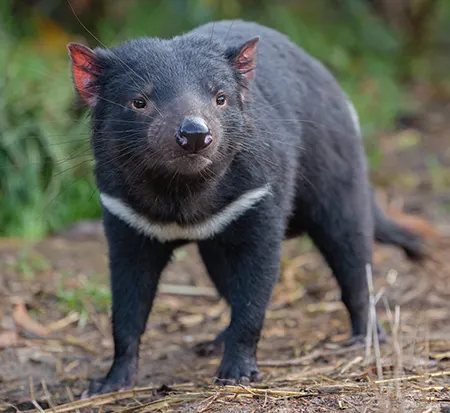
(Sarcophilus harrisii)
Tasmanian Devil
Тасманійський диявол
It is found in all habitats on the island of Tasmania, including the outskirts of urban areas, and is distributed throughout the Tasmanian mainland and on Robbins Island.
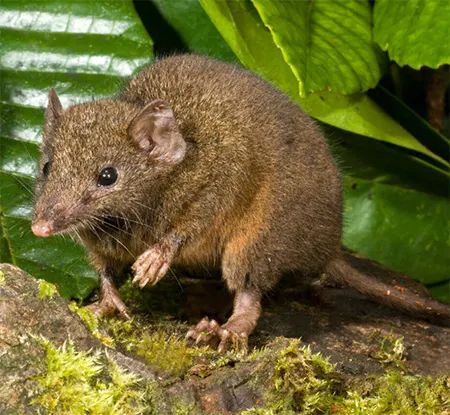
(Antechinus adustus)
Rusty Antechinus
Антехінус рудий
It is found in a small area of tropical vine forest from Paluma to Mount Spurgeon in northeastern Queensland, Australia.
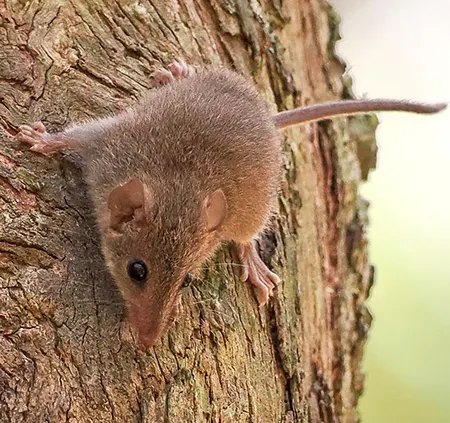
(Antechinus agilis)
Agile Antechinus
Антехінус спритний
It is found in southern and south-eastern New South Wales and south-eastern Victoria, Australia. It inhabits wet or moist forests below 2,000 m.
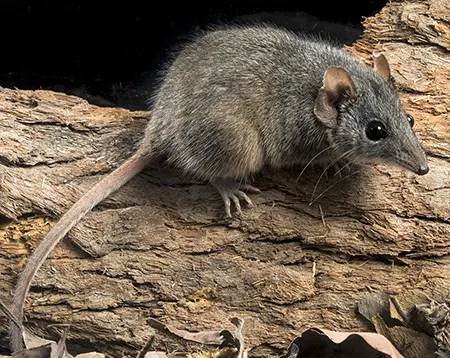
(Antechinus argentus)
Silver-headed Antechinus
Антехінус срібноголовий
It is found in south-eastern Queensland, Australia. It occurs at elevations of 650–900 m.
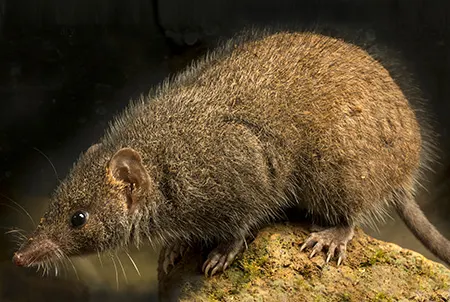
(Antechinus arktos)
Black-tailed Antechinus
Антехінус чорнохвостий
It is found in the Springbrook National Park between northern New South Wales and the Gold Coast Hinterland, Australia. It occurs at elevations of 780–950 m.
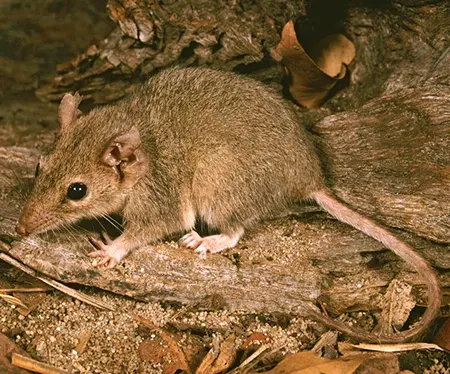
(Antechinus bellus)
Fawn Antechinus
Антехінус палевий
It is found in the Top End of the Northern Territory, Australia.
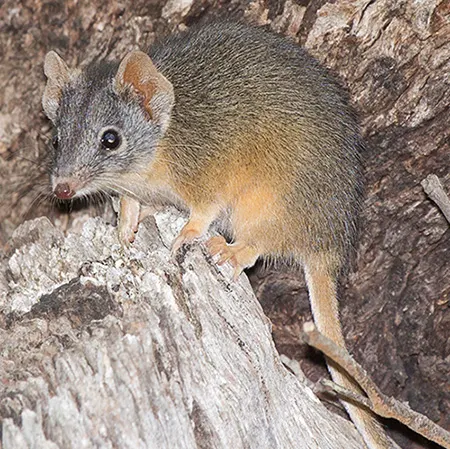
(Antechinus flavipes)
Yellow-footed Antechinus
Антехінус жовтоногий
It is found discontinuously from around the Mount Lofty Ranges in South Australia to around Eungella in Queensland, with the exception of most of coastal New South Wales and Victoria. Isolated populations occur in north-eastern Queensland and in south-western Western Australia.
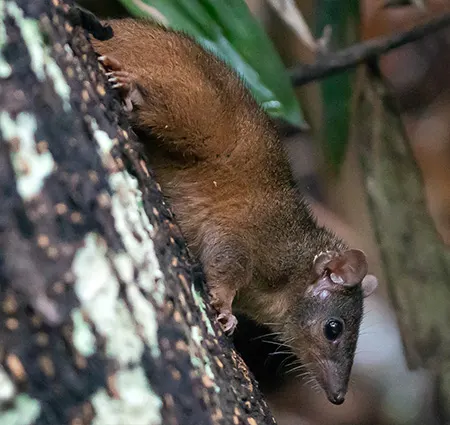
(Antechinus godmani)
Atherton Antechinus
Антехінус Ґодмана
It is restricted to a 130 km region of rainforest between Mount Bellenden Ker and Cardwell, in north-eastern Queensland, Australia. It occurs at elevations of 600–1,540 m.
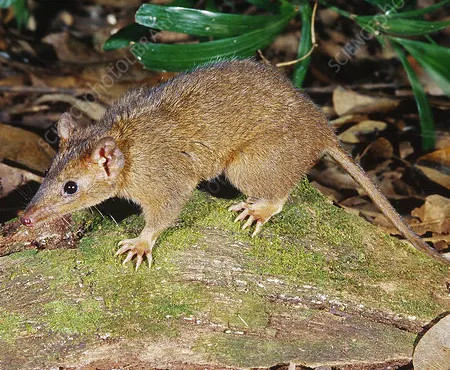
(Antechinus leo)
Cinnamon Antechinus
Антехінус корицевий
It is completely confined to a small area on the Cape York Peninsula in Australia, where it inhabits semi-deciduous rainforest.
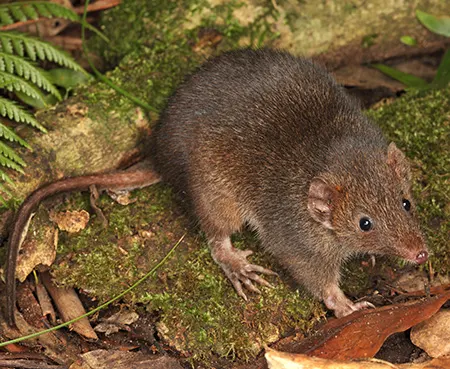
(Antechinus mimetes)
Mainland Dusky Antechinus
Антехінус материковий темний
It is found from south-western Victoria to north-eastern New South Wales. It occurs at elevations of 0–1,800 m.
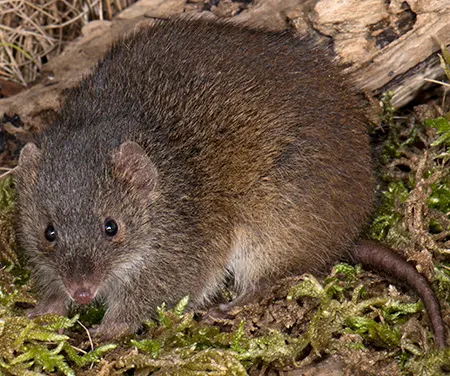
(Antechinus minimus)
Swamp Antechinus
Антехінус болотний
It is found in the southern parts of the Central Highlands, Wimmera, and Alpine areas of Victoria, as well as in the extreme south of South Australia around Mount Gambier. It also occurs in Tasmania and on the islands of King, Flinders, and Sunday in the Bass Strait.
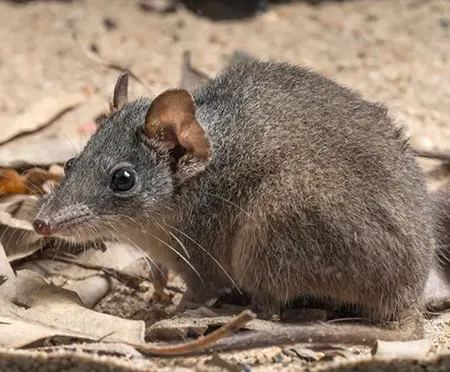
(Antechinus mysticus)
Buff-footed Antechinus
Антехінус світлоногий
It is found in in south-eastern Queensland, Australia. It occurs at elevations of 100–1,000 m.
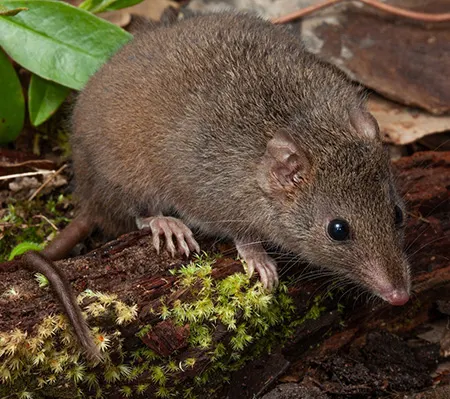
(Antechinus stuartii)
Brown Antechinus
Антехінус коричневий
It is found east of the Great Dividing Range in Australia, from south-eastern Queensland to around Kioloa, New South Wales. It is mostly found in forested habitats.
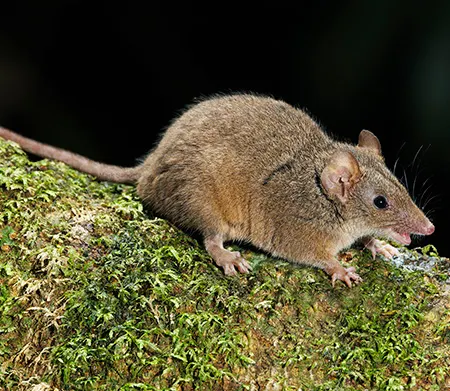
(Antechinus subtropicus)
Subtropical Antechinus
Антехінус субтропічний
It is found south from Gympie in Queensland, Australia, to the far north-east of New South Wales, where it is essentially restricted to subtropical vine forest below 1,000 m elevation.
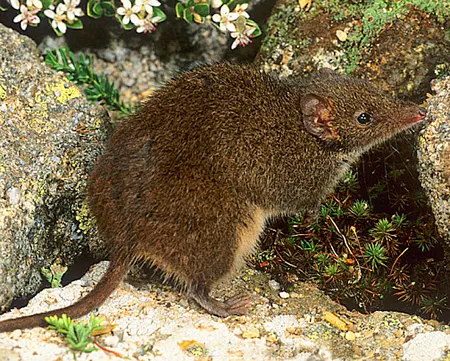
(Antechinus swainsonii)
Tasmanian Dusky Antechinus
Антехінус Свенсона
It is found in forested areas across the island of Tasmania.
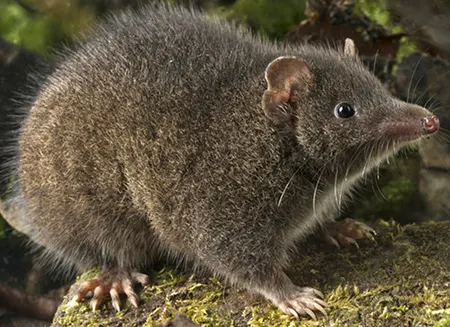
(Antechinus vandycki)
Tasman Peninsula Dusky Antechinus
Антехінус Ван Дейка
It is endemic to south-eastern Tasmania.
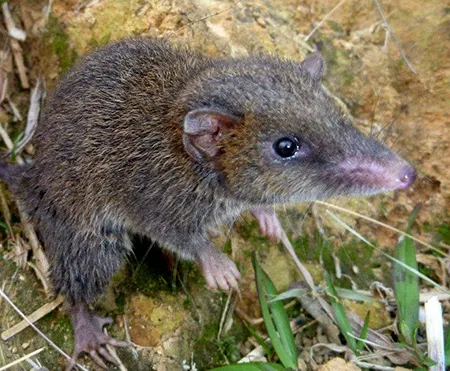
(Murexia habbema)
Habbema Dasyure
Мурексія Хаббеми
It is found in the Central Range of New Guinea, from the Snow and Star Mountains to the northern Central Province. It occurs at elevations of 1,600–3,660 m.
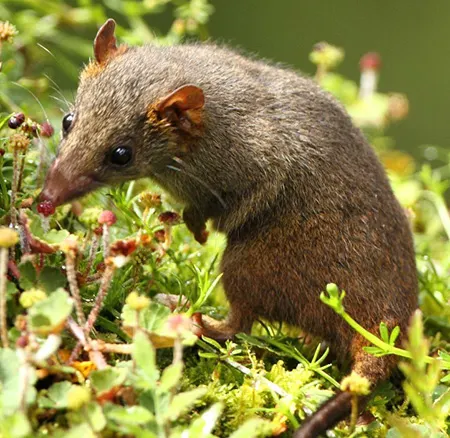
(Murexia melanurus)
Black-tailed Dasyure
Мурексія чорнохвоста
It is native to New Guinea, where it ranges across the Central Cordillera of Western New Guinea, which is part of Indonesia, and of Papua New Guinea. It is also present in the Arfak Mountains of Western New Guinea and the Torricelli Mountains in northern Papua New Guinea. It occurs at elevations of 0–2,800 m.
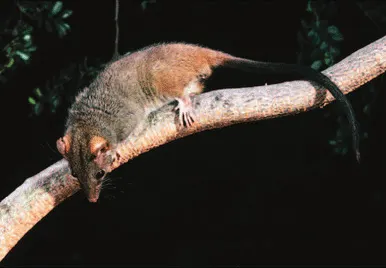
(Murexia naso)
Western Long-nosed Dasyure
Мурексія носата
It is found in Indonesia and Papua New Guinea. It inhabits subtropical or tropical dry forests at elevations 1,400–2,800 m.
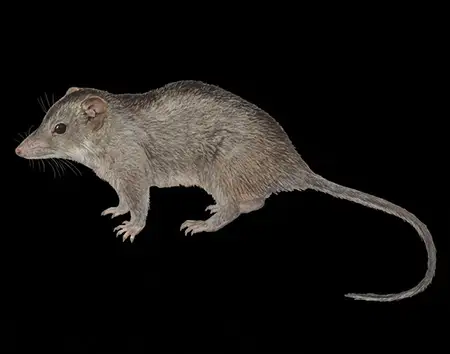
(Murexia rothschildi)
Broad-striped Dasyure
Мурексія Ротшильда
It is endemic to south-eastern Papua New Guinea. It inhabits subtropical or tropical dry forests at elevations of 600–1,400 m.
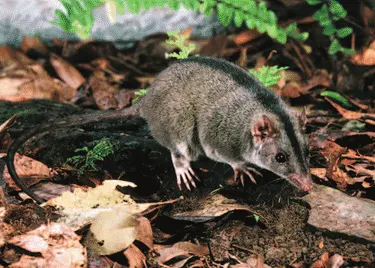
(Murexia longicaudata)
Aru Short-furred Dasyure
Мурексія короткошерста
It lives in Papua, Indonesia and Papua New Guinea. It occurs at elevations of 0–2,200 m.
The genus (Murexia) also includes: Southern Short-furred Dasyure (Murexia aspera), Northern Short-furred Dasyure (Murexia maxima), Eastern Short-furred Dasyure (Murexia murex), Eastern Long-nosed Dasyure (Murexia tafa), Lesser Dasyure (Murexia wilhelmina).
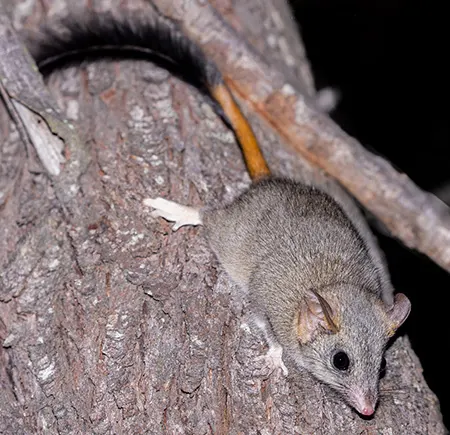
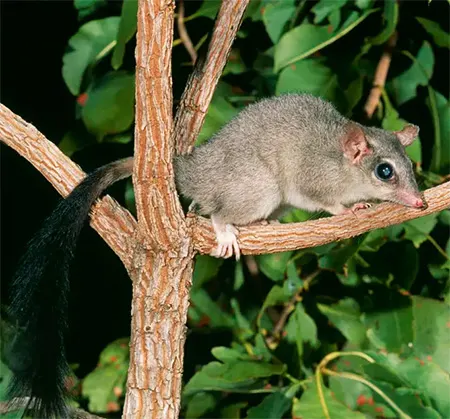
(Phascogale calura)
Red-tailed Phascogale
Туан червонохвостий
It is restricted to the southern part of the Western Australian Wheatbelt.
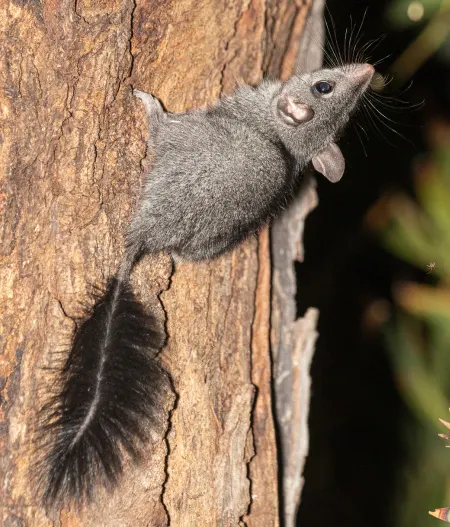
(Phascogale pirata)
Northern Brush-tailed Phascogale
Туан пухнастохвостий
It is found in the Northern Territory of Australia.
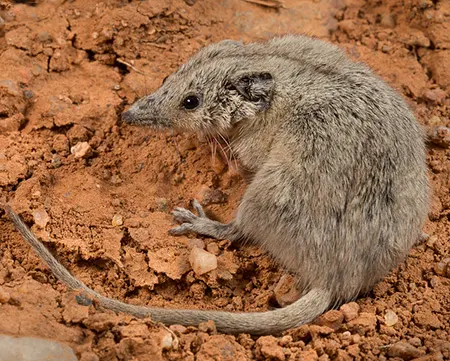
(Phascogale tapoatafa)
Brush-tailed Phascogale
Тафа
It is found patchily across south-western and north-western Western Australia, eastern Queensland, north-eastern New South Wales, and Victoria.
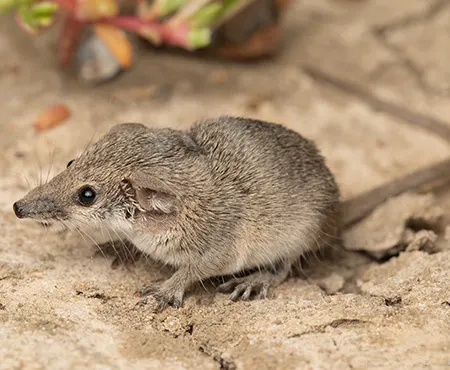
(Planigale gilesi)
Giles' Planigale
Планігал Гайлза
It is found in arid inland areas from Lake Eyre, South Australia, to Moree, New South Wales, and from Mildura, Victoria, to the south-western Northern Territory.
(Planigale ingrami)
Long-tailed Planigale
Планігал довгохвостий
It is found across northern Australia from the Pilbara through the Great Sandy Desert and the Kimberley region in Western Australia to the Barkly Tableland in the Northern Territory and Townsville in Queensland.
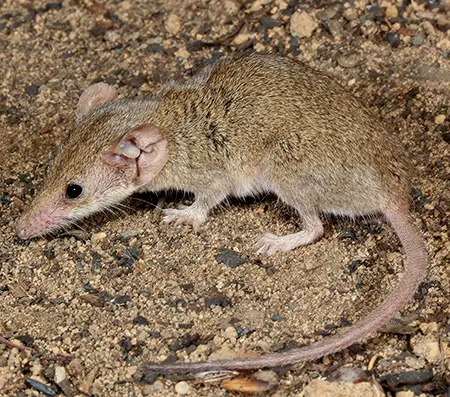
(Planigale maculata)
Common Planigale
Планігал звичайний
It is found from the upper Hunter River valley not far north of Sydney along the coast and hinterland to Cape York, and across the Top End of Australia to the Kimberley. It is also found on Groote Eylandt and on Great Keppel Island.
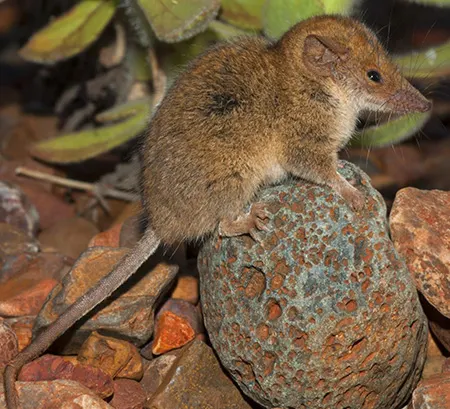
(Planigale kendricki)
Orange-headed Pilbara Planigale
Планігал рудоголовий
It lives in the Pilbara region of Western Australia.
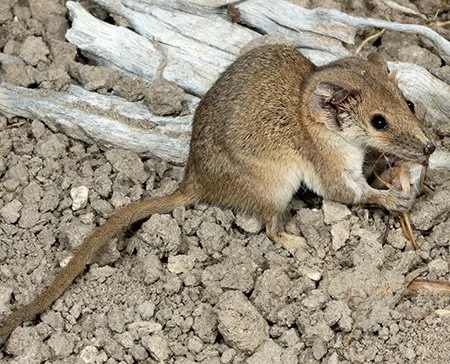
(Planigale tenuirostris)
Narrow-nosed Planigale
Планігал вузьконосий
It is found in New South Wales, Queensland, South Australia and the Northern Territory in a wide range of inland habitats. It prefers areas with cracked clay soil.
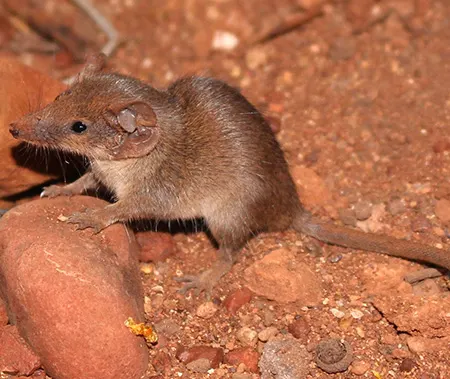
(Planigale tealei)
Cracking-clay Pilbara Planigale
Планігал Тіла
It lives in the Pilbara region of Western Australia.
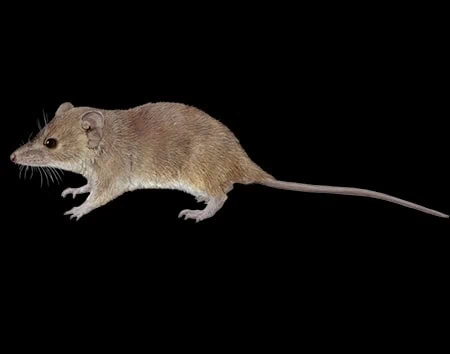
(Planigale novaeguineae)
Papuan Planigale
It is native to the Trans-Fly savanna and grasslands of of southern and south-eastern New Guinea. It occurs at elevations of 0–250 m.
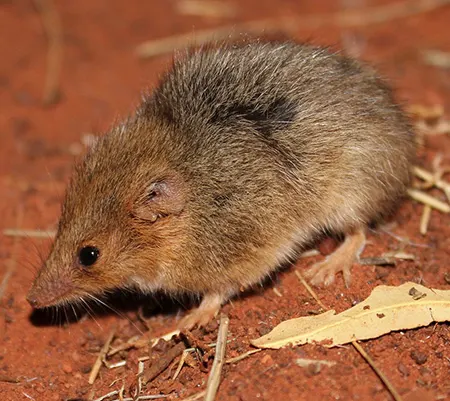
(Ningaui ridei)
Wongai Ningaui
Вонгай
It lives mostly in the interior of Australia, on dunes or sandplains. The distribution range begins west of Kalgoorlie in Western Australia across northern South Australia and southern Northern Territory to southwestern Queensland.
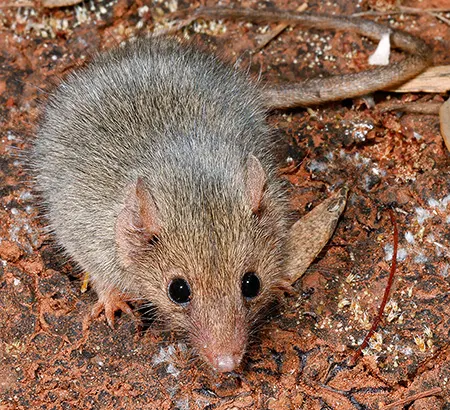
(Ningaui timealeyi)
Pilbara Ningaui
Західний нінгай
It is found in the Pilbara and Gascoyne regions of Western Australia, extending into the Little Sandy Desert.
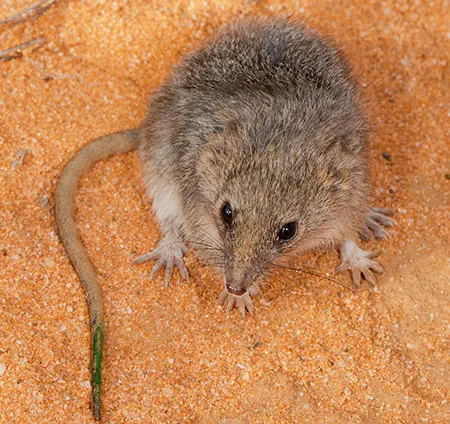
(Ningaui yvonneae)
Southern Ningaui
Південний нінгай
It is found in the Lake Cronin region, in South Australia and Victoria (the Big Desert, Sunset Country, and Annuello), and further east on the continent at Round Hill in New South Wales.
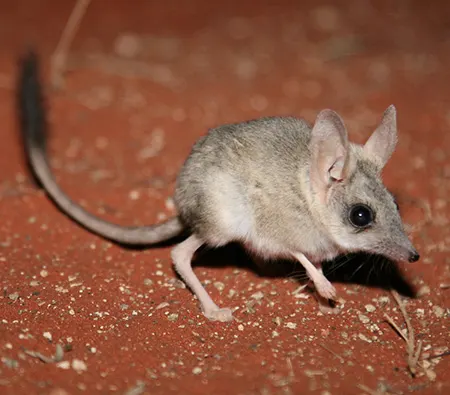
(Antechinomys laniger)
Kultarr
Култарр
It is found in the Northern Territory and Western Australia, with populations around Cobar in western New South Wales that continue to persist.
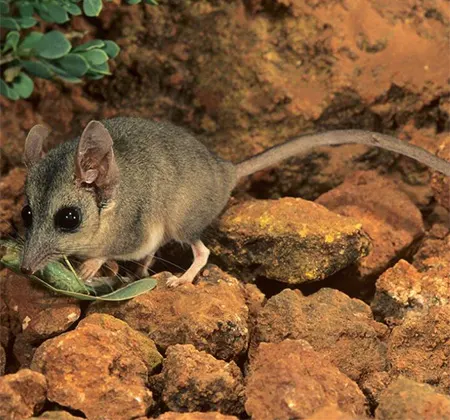
(Antechinomys longicaudatus)
Long-tailed Dunnart
Сумчаста миша довгохвоста
It is found in Western Australia, from the Pilbara and eastern coast to the north-eastern Goldfields and Gibson Desert (Young Ranges), extending south to the Nullarbor Plain and into central Northern Territory and western South Australia.
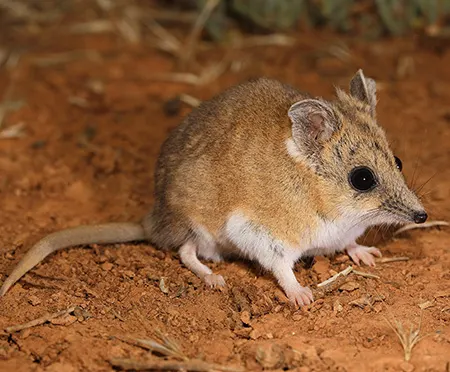
(Sminthopsis crassicaudata)
Fat-tailed Dunnart
Сумчаста миша жирнохвоста
It is found in the less arid regions of Western Australia, Queensland, South Australia, New South Wales, and Victoria.
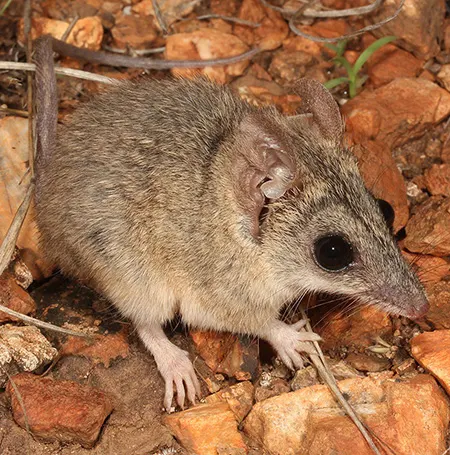
(Sminthopsis bindi)
Kakadu Dunnart
Сумчаста миша Какаду
It lives near the Top End of the Northern Territory of Australia around the Kakadu National Park. It prefers a habitat of stony woodlands on a hilly geography.
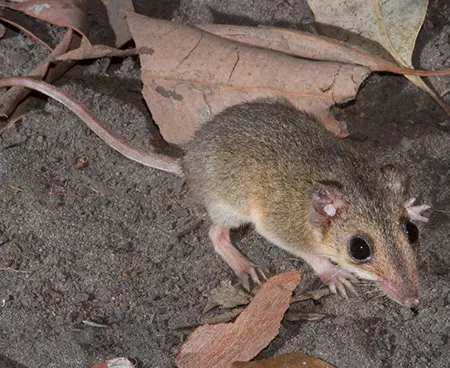
(Sminthopsis butleri)
Carpentarian Dunnart
Сумчаста миша Батлера
It is found in the Northern Kimberley’s near Kalumburu in Western Australia and Bathurst and Melville Island in the Northern Territory.
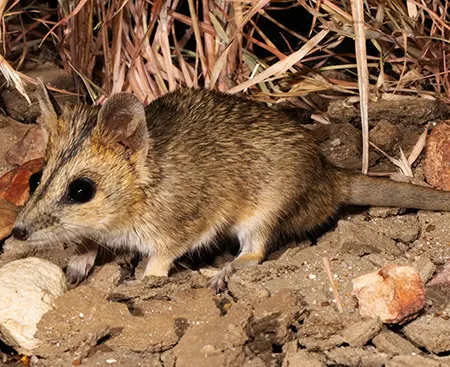
(Sminthopsis douglasi)
Julia Creek Dunnart
Сумчаста миша Дугласа
It is found on 8,000 km2 in the Mitchel Grass downs of riparian grasslands, between Julia Creek and Richmond in Queensland, it possibly occurs in the Mitchell Plateau of Western Australia.
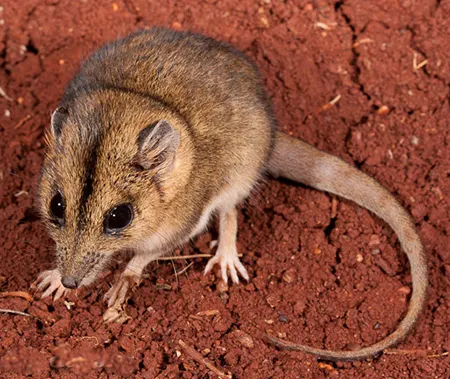
(Sminthopsis macroura)
Stripe-faced Dunnart
Сумчаста миша смугастоморда
Its distribution covers a broad area of central and northern Australia, from the Pilbara through central Northern Territory and western and central Queensland, extending south to north-eastern South Australia and north-western New South Wales.
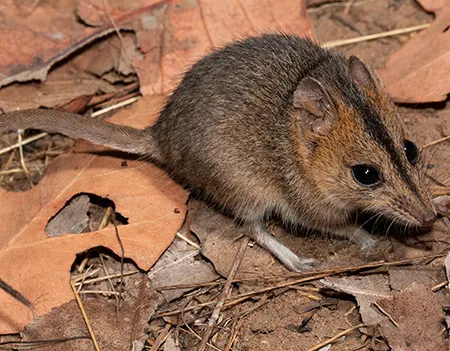
(Sminthopsis virginiae)
Red-cheeked Dunnart
Сумчаста миша червонощока
It is found in Australia (northern Western Australia, north-eastern Queensland, and the Northern Territory including the Tiwi Islands), the Aru Islands, and southern New Guinea.
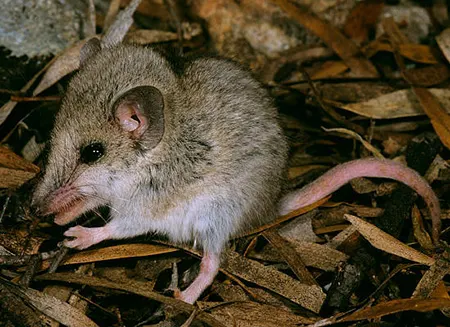
(Sminthopsis granulipes)
White-tailed Dunnart
Сумчаста миша білохвоста
It occupies two separate areas in Western Australia. The first is east of Perth in the western Goldfields area and the second is to the north of Perth between Kalbarri and Jurien Bay.
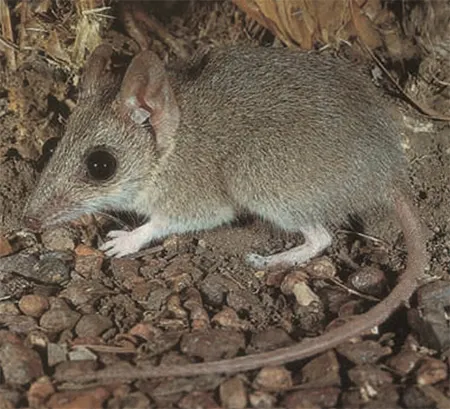
(Sminthopsis archeri)
Chestnut Dunnart
Сумчаста миша каштанова
There are a handful of records known from southern Papua New Guinea and in Australia on the east and west coasts of Cape York Peninsula, with one record at Blackbraes National Park west of Townsville.
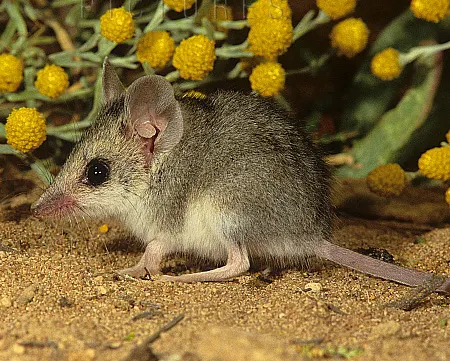
(Sminthopsis dolichura)
Little Long-tailed Dunnart
Сумчаста миша мала довгохвоста
This species occupies two separate regions. In Western Australia, it is found in the northern Goldfields, the Geraldton hinterland, the north-west and south-west coasts, and the western plateau. In South Australia, it occurs along the coastal areas of the Great Australian Bight on the Nullarbor Plain and the Eyre Peninsula, west of Port Augusta.
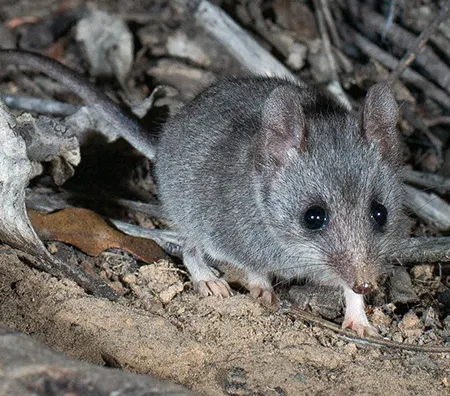
(Sminthopsis fuliginosa)
Gray-bellied Dunnart
Сумчаста миша сірочерева
It is found in Western Australia along the south-western coastal fringes and associated ranges, from the Gairdner Ranges in the north, southwards to Cape Arid National Park in the east. It is also present on Kangaroo Island in South Australia.
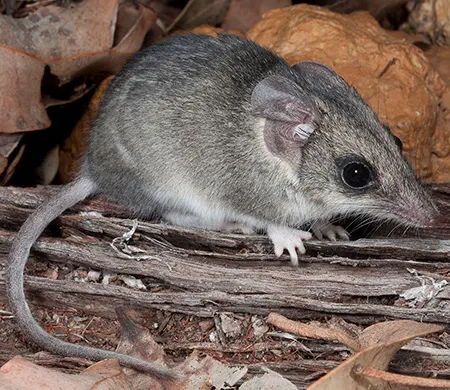
(Sminthopsis gilberti)
Gilbert's Dunnart
Сумчаста миша Гілберта
It is found in the southern wheat belt of Western Australia close to Perth and the Swan River, as well as the Roe plain near the South Australian border.
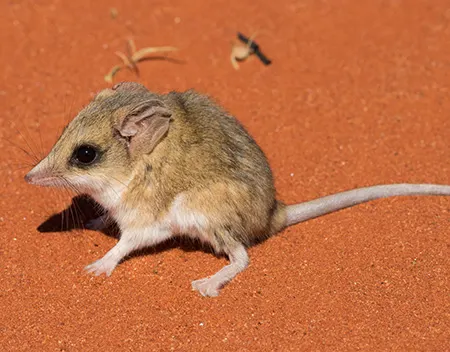
(Sminthopsis hirtipes)
Hairy-footed Dunnart
Сумчаста миша волохатонога
It inhabits three distinct areas; around Monkey Mia Bay and Kilbarri in Western Australia, a large area where the border of South Australia, Northern Territory and Western Australia converge and a small area between the Northern Territory and Queensland border 100 km north of the South Australian border.
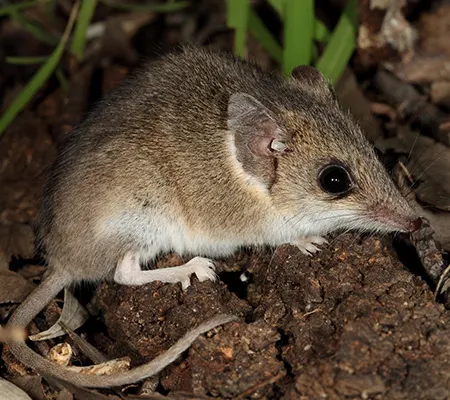
(Sminthopsis murina)
Slender-tailed Dunnart
Сумчаста миша тонкохвоста
It is native to the eastern and south-eastern coasts and interior of Australia, ranging from the Cape York Peninsula in Queensland to the Port Lincoln area in South Australia.
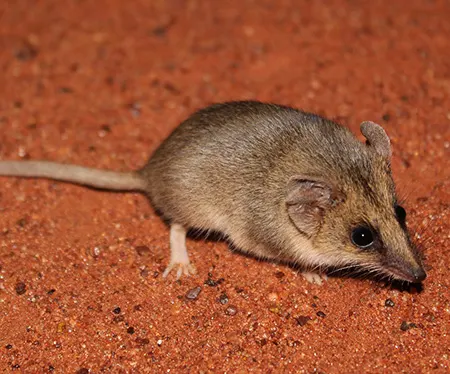
(Sminthopsis ooldea)
Ooldea Dunnart
Сумчаста миша Тротона
It is found from the Tanami Desert in the Northern Territory, south to Ooldea in South Australia and east to neighbouring areas of Western Australia.
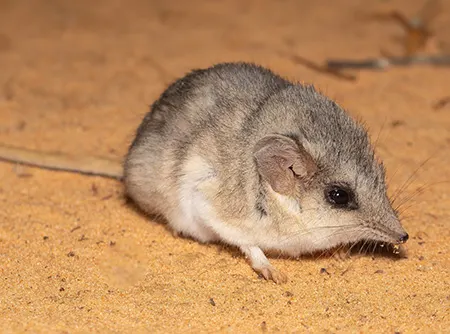
(Sminthopsis psammophila)
Sandhill Dunnart
Сумчаста миша піщана
It is known from four scattered semi-arid areas of Australia: near Lake Amadeus in Northern Territory, the central and eastern Eyre Peninsula in South Australia, the south-western and western edges of the Great Victoria Desert in Western Australia, and at Yellabinna in South Australia.
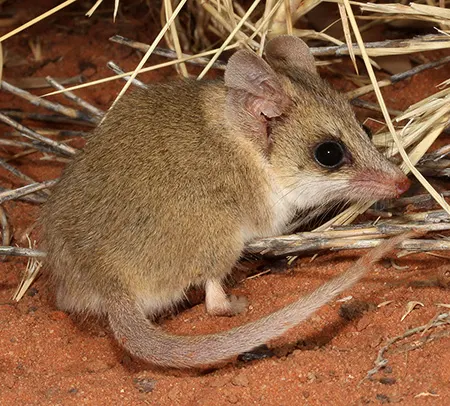
(Sminthopsis youngsoni)
Lesser Hairy-footed Dunnart
Сумчаста миша мала волохатонога
It is found in many desert areas of Western Australia, Northern Territory and Queensland.
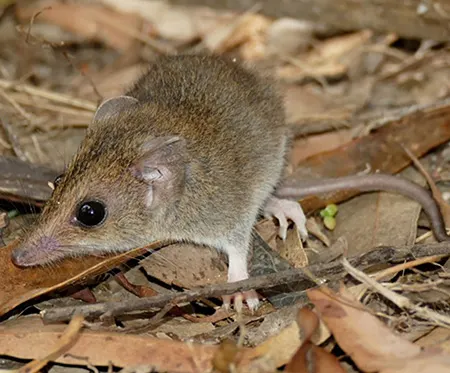
(Sminthopsis leucopus)
White-footed Dunnart
Сумчаста миша білонога
It is found in north-eastern Queensland, south-western New South Wales, southern Victoria, and Tasmania.
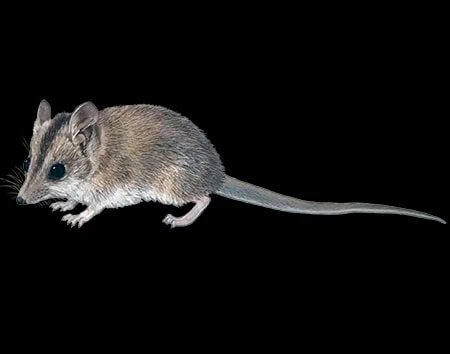
(Sminthopsis froggatti)
Froggatt's Dunnart
Сумчаста миша Фроггатта
It is found in the Kimberley region of northern Western Australia.
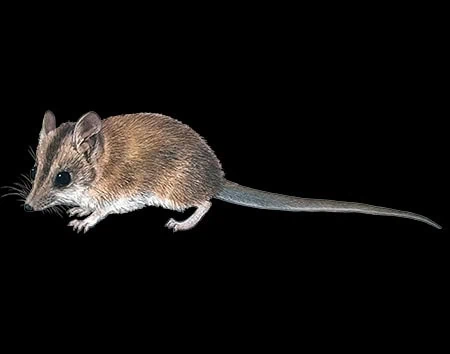
(Sminthopsis stalkeri)
Stalker's Dunnart
Сумчаста миша Сталкера
It is found in the Northern Territory and Queensland.