


(Pentanchidae)
Deepwater Catsharks
Глибоководні котячі акули
The deep-sea catsharks (family Pentanchidae) were, until recently, included within the catshark family (Scyliorhinidae), which was formerly the largest shark family. Recent taxonomic revisions, however, split the group into two distinct families: the deep-sea catsharks (Pentanchidae) and the catsharks (Scyliorhinidae). As a result, Pentanchidae is now the largest shark family, comprising 11 genera and at least 110 species. These numbers are likely to increase as fisheries and scientific exploration expand into deeper waters and new species continue to be discovered and described. Considerable taxonomic research is still required to better understand these poorly known sharks.
Deep-sea catsharks are found worldwide and, as their name suggests, primarily inhabit depths greater than 200 m, occurring down to about 2,200 m. Exceptions include the genera Halaelurus and Haploblepharus, which generally occur in shallower waters. Many species are known from only a few specimens; consequently, little is understood about the geographic distribution, conservation status, and biology of numerous species.
Most deep-sea catsharks are small, usually less than 80 cm in length; some mature at around 30 cm, and only a few species reach about 90 cm. They have an elongated body, two small spineless dorsal fins (with the base of the first dorsal fin positioned over or behind the pelvic-fin bases), and an anal fin. Externally, they resemble catsharks (Scyliorhinidae), but they differ in cranial structure. Deep-sea catsharks lack an internal supraorbital crest over the eye orbits, whereas catsharks possess such a crest.
Members of some genera, including the largest genus, Apristurus (demon catsharks), are extremely difficult to distinguish, even for specialists. Most species are oviparous, though a few are viviparous and give birth to live young. Egg cases are thick and may or may not possess corner tendrils used to anchor them to the seafloor or to invertebrate structures such as gorgonian corals. Incubation may last up to two or three years, depending on the species.
Although no deep-sea catsharks are known to undertake long-distance migrations, several species make vertical movements of hundreds of meters into midwater to feed. In some species, juveniles inhabit midwater habitats early in life. Their diet consists primarily of small bony fishes, cephalopods, crustaceans, and other invertebrates.
Approximately 69% of species have been assessed as Least Concern, and only about 10% are currently listed as threatened on the IUCN Red List. The great depths at which most species occur likely provide some refuge from fishing pressure. A few shallow-water species are maintained in public aquariums. None are considered dangerous to humans.
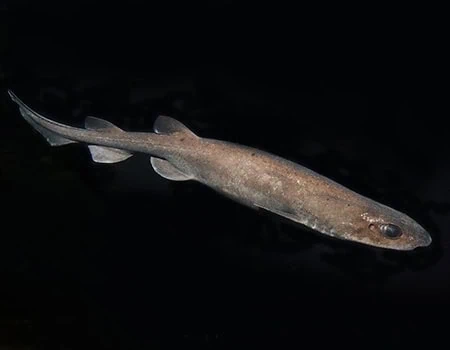
(Parmaturus xaniurus)
Filetail Catshark
Парматурус каліфорнійський
It is endemic to the eastern Pacific Ocean, ranging along the west coast of North America from Washington to the Gulf of California. It inhabits rocky vertical relief over soft mud bottoms on the outer continental shelf and upper slope at depths of 91–1,251 m.
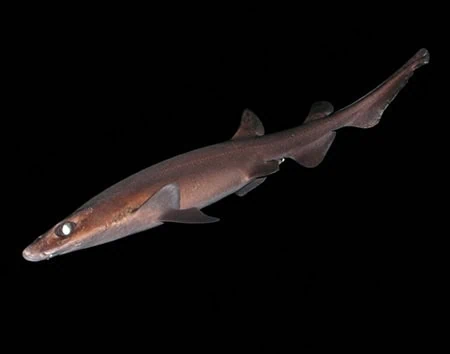
(Parmaturus pilosus)
Salamander Shark
Котяча акула саламандрова
It inhabits from Japan and the East China Sea, on the upper to middle continental slope at depths of 358–895 m.
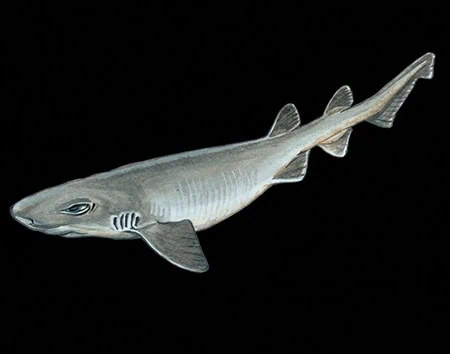
(Parmaturus macmillani)
McMillan's Catshark
Котяча акула МакМіллана
It is found at depths of 985–1,350m on the lower continental slope around New Zealand, on the West Norfolk Ridge, and off North Cape.
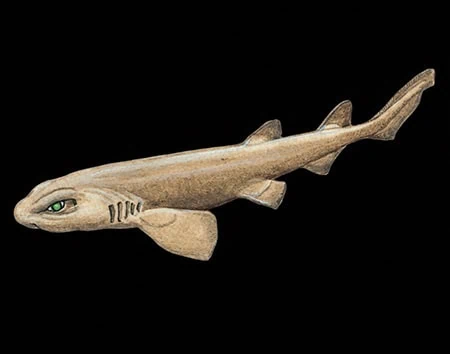
(Parmaturus lanatus)
Velvet Catshark
Оксамитова котяча акула
It is known only from a single specimen collected off the Tanimbar Islands in the Arafura Sea, Indonesia, at depths of 840–855 m.
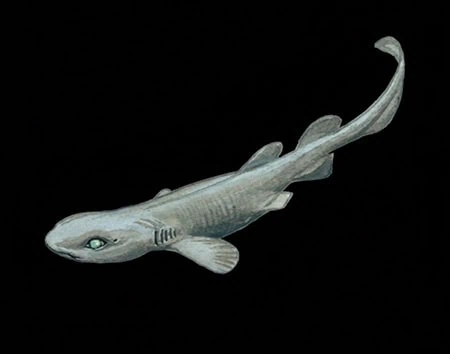
(Parmaturus campechiensis)
Campeche Catshark
Парматурус юкатанський
It is known only from the holotype, a 15.7 cm immature female found in the north-western Bay of Campeche in the Gulf of Mexico. The specimen was collected at 1,057 m, a depth beyond current and probably future fishing pressure in the region.
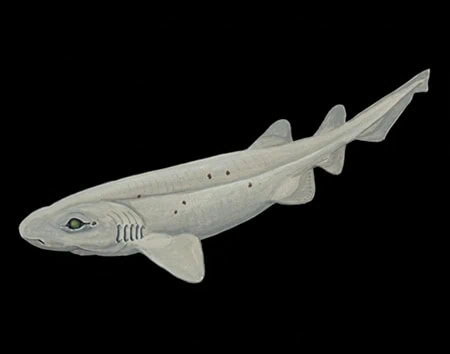
(Parmaturus angelae)
Brazilian Filetail Catshark
Парматурус бразильський
It is found in southern Brazil. It lives on the continental slopes at depths of 500–600 m.
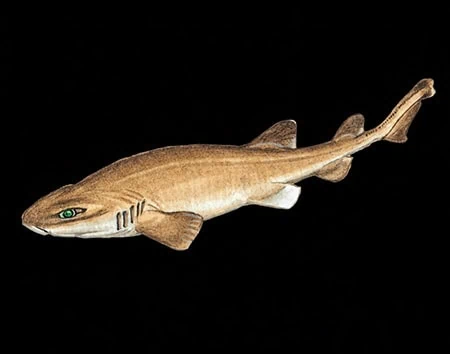
(Parmaturus albipenis)
White-clasper Catshark
Парматурус білокласперний
It is known only from a single specimen collected from northern New Caledonia at depths of 688–732 m.
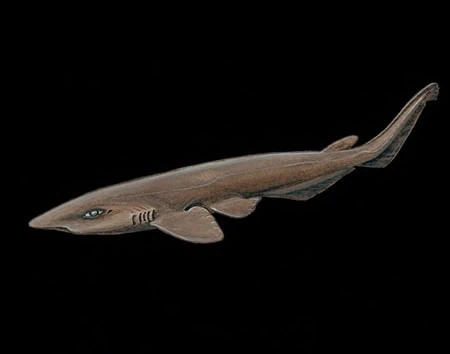
(Pentanchus profundicolus)
Onefin Catshark
Котяча акула одноплавцева
It is known from two specimens collected from the Tablas Strait and Mindanao Sea off the Philippines in the Western Central Pacific, at depths of 673–1,069 m.
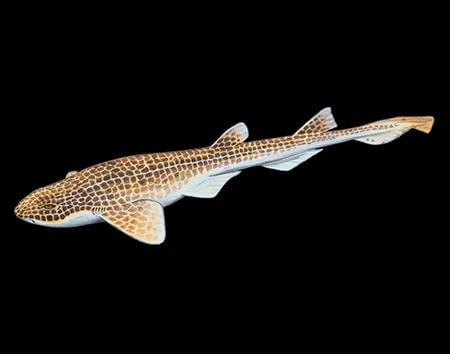
(Holohalaelurus favus)
Honeycomb Izak
Котяча акула-ізак натальська
It is found in the Western Indian Ocean, near South Africa, at depths of 200–1,000 m.
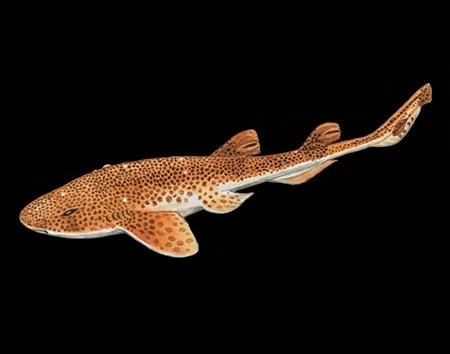
(Holohalaelurus grennian)
Grinning Izak
Усміхнена акула-ізак
It is found in the waters of the Western Indian Ocean, near Kenya, at depths of 200–300 m.
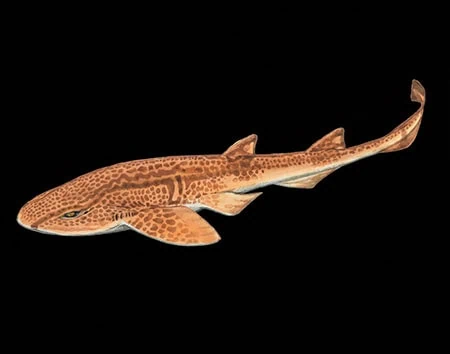
(Holohalaelurus melanostigma)
Crying Izak
Африканська котяча акула чорноплямиста
It is found in the western Indian Ocean off Mozambique and Tanzania, at depths of 600–660 m.
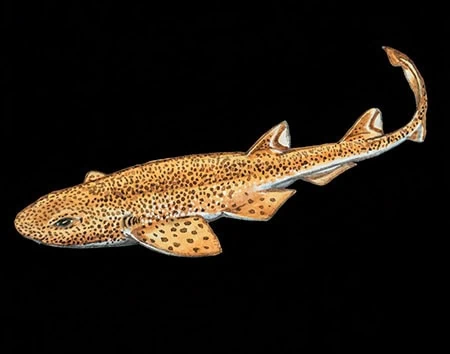
(Holohalaelurus punctatus)
White-spotted Izak
Африканська котяча білоплямиста
It is found in the western Indian Ocean off the coasts of Natal, South Africa, southern Mozambique, Madagascar, Kenya, and Tanzania, at depths of 220–440 m.
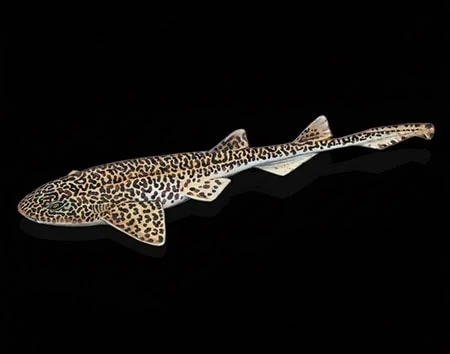
(Holohalaelurus regani)
Izak
Котяча акула-ізак звичайна
It is endemic to the southern tip of Africa, the range extends from Lüderitz, Namibia in the west to Durban, South Africa in the east. It inhabits the outer continental shelf and upper continental slope, from 40 m to at least 1,075 m.
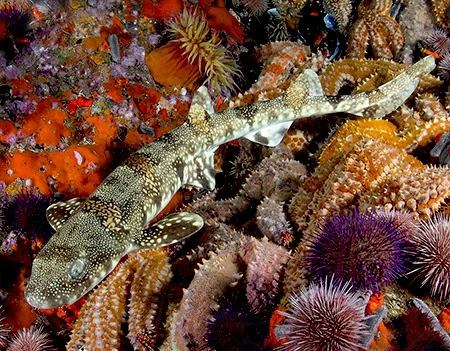
(Haploblepharus edwardsii)
Puffadder Shyshark
Південноафриканська котяча акула гадюкова
Its range is limited to the continental shelf along the coast of South Africa, from Langebaan Lagoon in Western Cape Province to the western shore of Algoa Bay. It occurs at depths of 0–130 m.
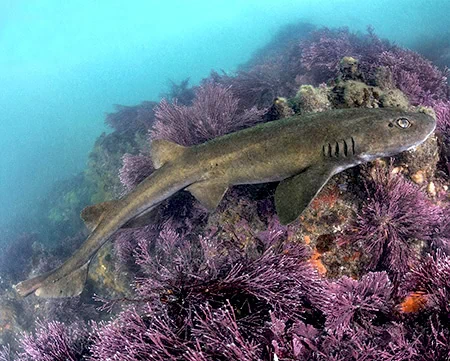
(Haploblepharus fuscus)
Brown Shyshark
Південноафриканська котяча акула коричнева
It has a restricted distribution along the coast of South Africa, from the Western and Eastern Cape Provinces to southern KwaZulu-Natal Province. It is usually found close to the bottom over sandy flats or rocky reefs, from the intertidal zone to a depth of 35 m.
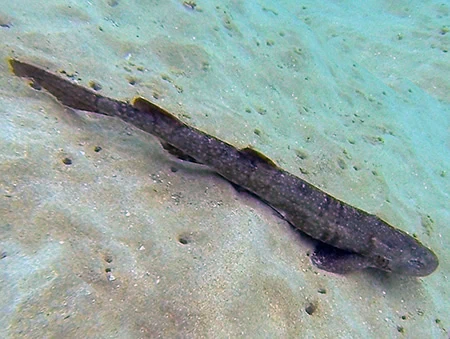
(Haploblepharus kistnasamyi)
Natal Shyshark
Південноафриканська котяча акула натальська
It is restricted to the waters off the KwaZulu-Natal, and possibly also the Western Cape and Eastern Cape Provinces of South Africa. It occurs at depths of 0–30 m.
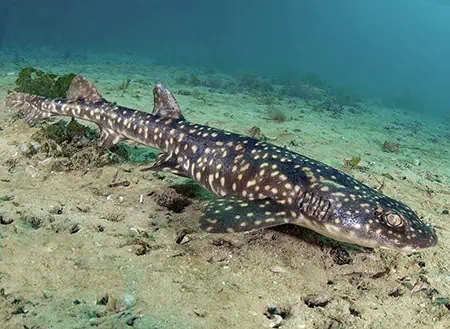
(Haploblepharus pictus)
Dark Shyshark
Котяча акула намібійська
It is restricted to the coastal waters of southern Africa, from north of Lüderitz in southern Namibia to east of the Storms River mouth in the Eastern Cape Province of South Africa. It is a bottom-dwelling species found close inshore, from the intertidal zone to depths of 35 m.
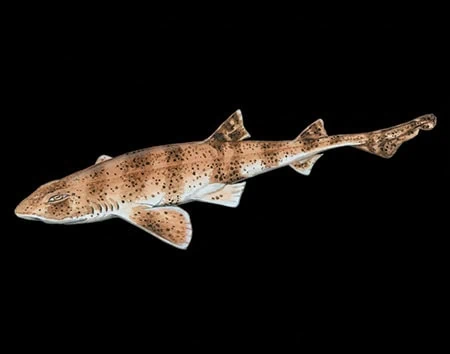
(Halaelurus boesemani)
Speckled Catshark
Плямиста котяча акула строката
It is known from the Gulf of Aden, and off the coast of Somalia, with a separate population extending from Viet Nam and the Philippines, through Indonesia to Western Australia. It is a demersal species, living on continental shelves and insular shelves, with a depth range of 37–250 m.
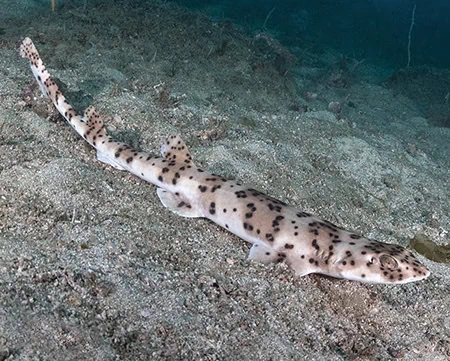
(Halaelurus buergeri)
Black-spotted Catshark
Котяча акула чорноплямиста
It is found in the waters off the coasts of Japan, Korea, China, and Taiwan between latitudes 39° N and 20° N, at depths of 80–100 m.
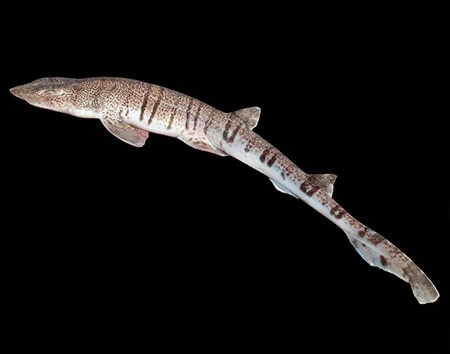
(Halaelurus lineatus)
Lined Catshark
Плямиста акула смугаста
It is found in the waters off the coasts of Beira, Mozambique, to East London, South Africa between latitudes 19°S and 31°S, from the surface to 290 m.
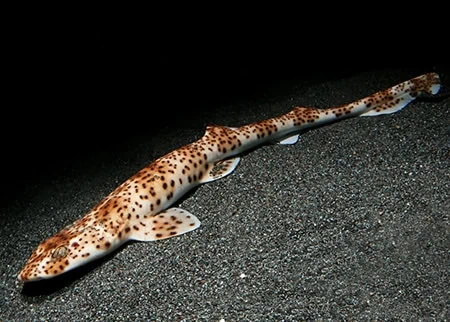
(Halaelurus maculosus)
Indonesian Speckled Catshark
Плямиста котяча акула індонезійська
It is found in the Pacific Ocean, from the southern coast of Java, and off the islands of Bali and Lombok in eastern Indonesia, and has also been recorded from several landing sites in the Philippines.
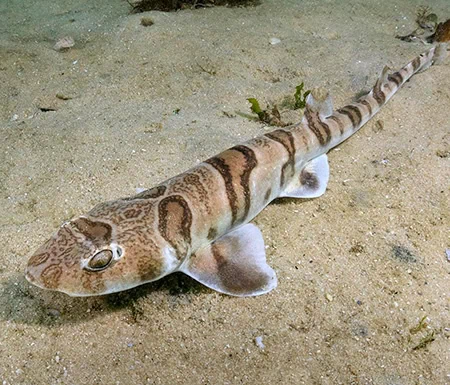
(Halaelurus natalensis)
Tiger Catshark
Котяча акула тигрова
It is found over sandy areas and near reef peripheries off South Africa and perhaps Mozambique, from close to shore to usually no deeper than 172 m.
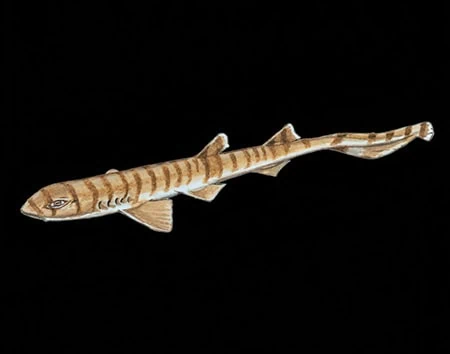
(Halaelurus quagga)
Quagga Catshark
Котяча акула-квага
It is known only from nine specimens caught off southwestern India and eastern Somalia, at depths of 59–220 m.
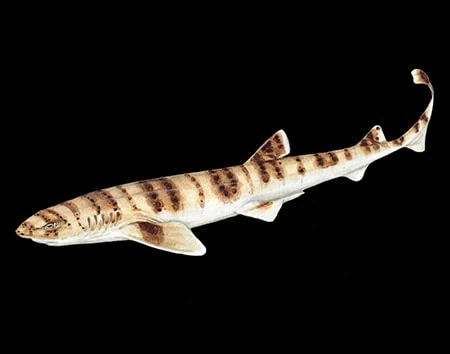
(Halaelurus sellus)
Rusty Catshark
Котяча акула іржава
It is found around the waters off Australia, in the eastern Indian Ocean, at depths of 62–164 m.
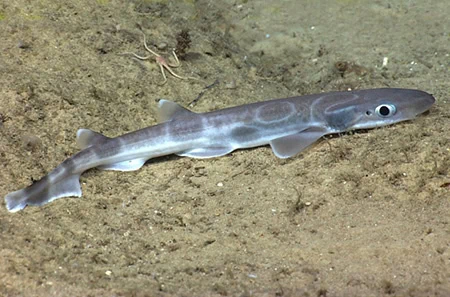
(Galeus antillensis)
Antilles Catshark
Пилкохвоста акула антильська
It is found on or near the bottom at depths of 293–695 m off Florida and the West Indies from Jamaica to Martinique.
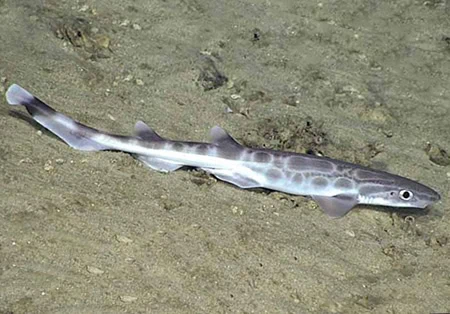
(Galeus arae)
Roughtail Catshark
Пилкохвоста котяча акула мармурова
It is found in the north-western Atlantic Ocean, the Gulf of Mexico, and the Caribbean Sea, from North Carolina to Costa Rica, at depths of 250–750 m.
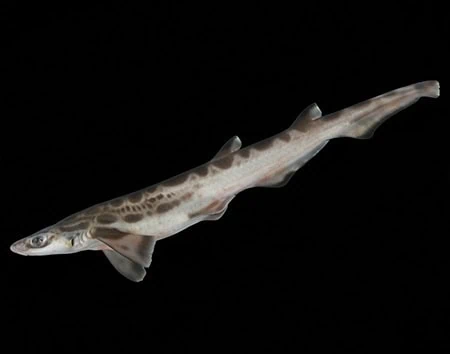
(Galeus atlanticus)
Atlantic Sawtail Catshark
Пилкохвоста котяча акула атлантична
It is found in a small area of the northeastern Atlantic Ocean, centered on the Strait of Gibraltar and the Alborán Sea. It is found on or close to the bottom over the continental slope, mostly at depths of 400–600 m.
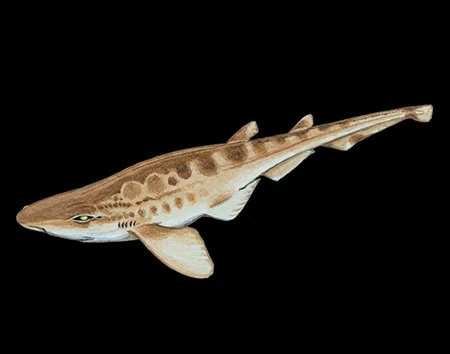
(Galeus cadenati)
Longfin Sawtail Catshark
Пилкохвоста котяча акула довгоплавцева
It has only been found in the Caribbean Sea off Panama and Colombia, at depths of 431–549 m. Demersal in nature, it is a rare inhabitant of the upper continental slope.
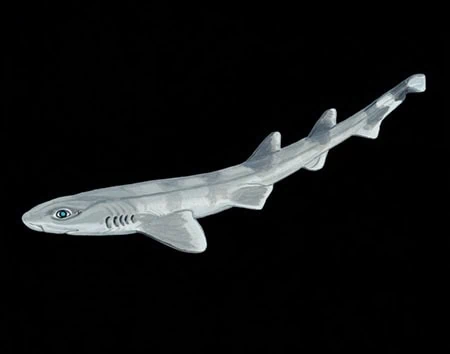
(Galeus corriganae)
Corrigan's Catshark
Пилкохвоста котяча акула Коррігана
It is found off Papua New Guinea, at depths of 500–742 m.
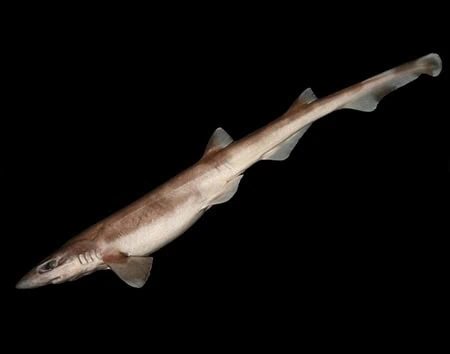
(Galeus eastmani)
Gecko Catshark
Пилкохвоста котяча акула китайська
It is found from southern Japan to the East China Sea, including Taiwan, at depths of 100–900 m.
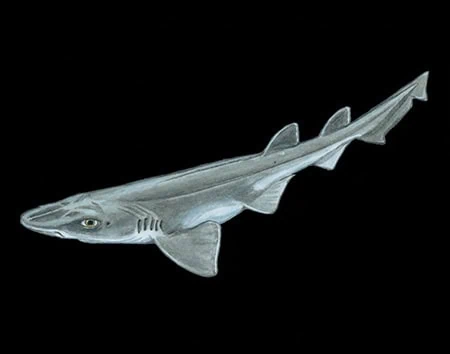
(Galeus gracilis)
Slender Sawtail Catshark
Пилкохвоста котяча акула тонка
It has been collected from off Cape Cuvier and Port Hedland in Western Australia, off Melville Island off Northern Territory, and off Cape York in Queensland, at depths of 290–470 m.
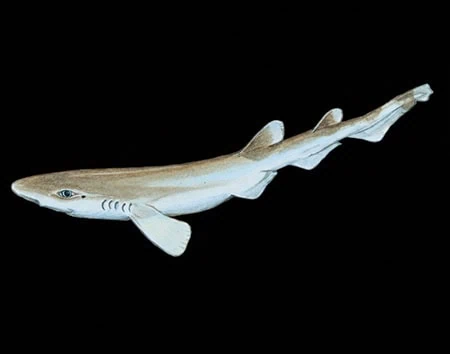
(Galeus longirostris)
Longnose Sawtail Catshark
Пилкохвоста котяча акула довгоноса
It has been recorded from south of Japan, off the islands of Amami Ōshima, Ogasawara, and Izu. It inhabits upper insular slopes at depths of 350–550 m.
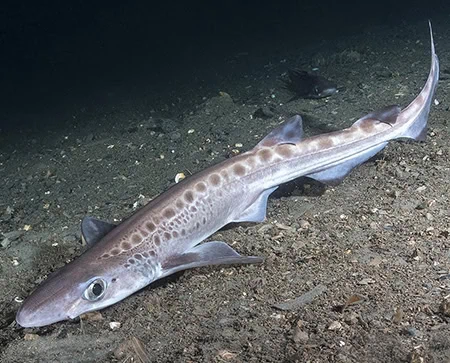
(Galeus melastomus)
Blackmouth Catshark
Пилкохвоста котяча акула чорнорота
It is common in the north-eastern Atlantic Ocean from Iceland to Senegal, including the Mediterranean Sea. It is typically found over the continental slope at depths of 150–1,400 m, on or near muddy bottoms.
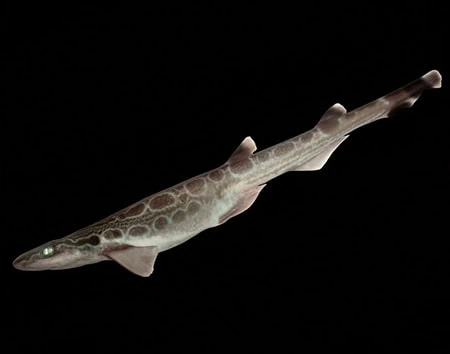
(Galeus mincaronei)
Southern Sawtail Catshark
Пилкохвоста котяча акула південна
It is found off the southern Brazilian states of Rio Grande do Sul and Santa Catarina, and may occur as far north as São Paulo, at depths of 236–600 m.
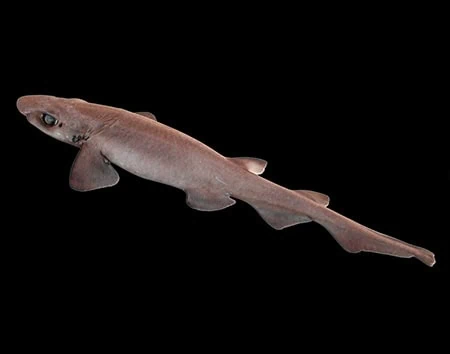
(Galeus murinus)
Mouse Catshark
Пилкохвоста котяча акула мишача
It is common in the north-eastern Atlantic Ocean off Iceland and Faeroes, at depths of 380–1,300 m.
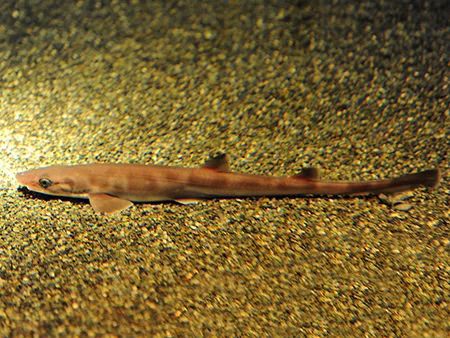
(Galeus nipponensis)
Broadfin Sawtail Catshark
Пилкохвоста котяча акула японська
It is found in the north-western Pacific from Sagami Bay off south-eastern Honshu, Japan to the East China Sea, including the Ryukyu Islands and the Kyushu–Palau Ridge, at depths of 150–540 m.
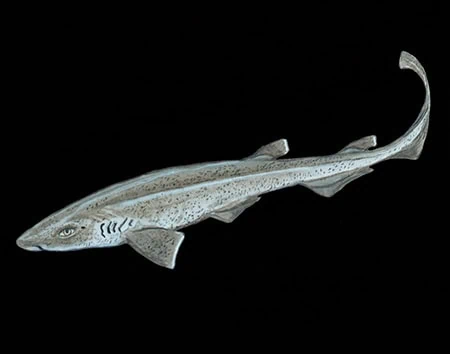
(Galeus piperatus)
Peppered Catshark
Пилкохвоста котяча акула перцева
It is limited to the Gulf of California, with the southern boundary defined by the city of Guaymas in Sonora, and Isla Salsipuedes in Baja California, at depths of 275–1,326 m.
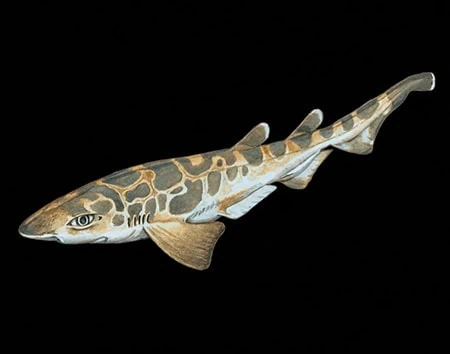
(Galeus polli)
African Sawtail Catshark
Пилкохвоста котяча акула африканська
It is found along much of the western coast of Africa, from southern Morocco to the Northern Cape Province of South Africa, at depths of 160–720 m.
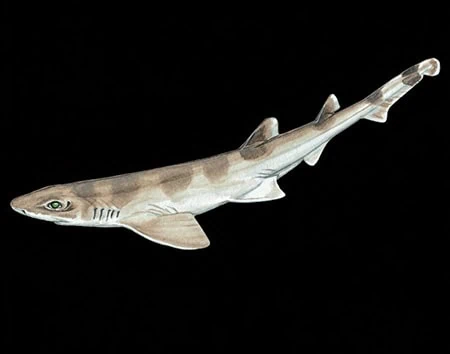
(Galeus priapus)
Phallic Catshark
Пилкохвоста котяча акула фалічна
It is found on or near the ocean floor, in the deep waters off New Caledonia and Vanuatu, at depths of 262–830 m.
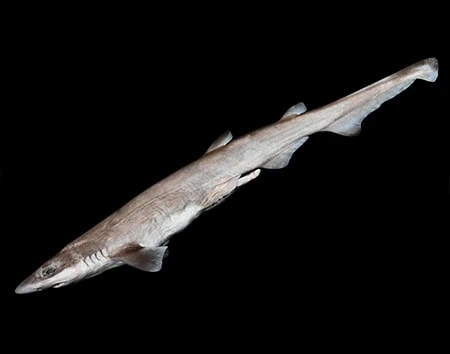
(Galeus sauteri)
Blacktip Sawtail Catshark
Пилкохвоста котяча акула тайванська
It is found in the waters around Taiwan, where it is very common, and the Philippines, at depths of 60–200 cm.
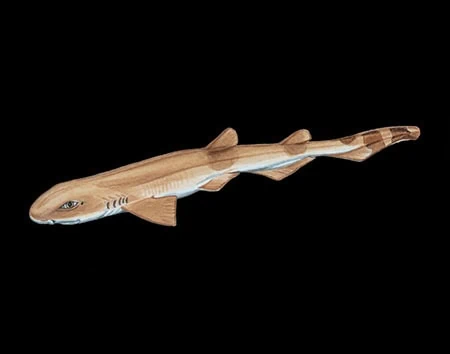
(Galeus schultzi)
Dwarf Sawtail Catshark
Пилкохвоста котяча акула карликова
It is endemic to Luzon in the Philippines. It is found on or near the bottom over the upper continental slope at depths of 329–431 m.
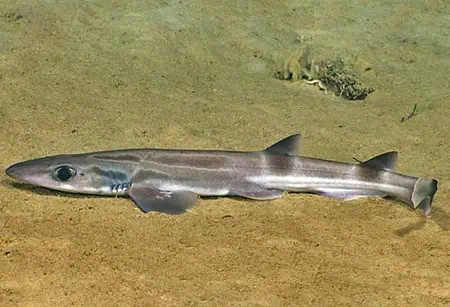
(Galeus springeri)
Springer's Sawtail Catshark
Пилкохвоста котяча акула Спрінгера
It occurs off Cuba, Jamaica, Hispaniola, Puerto Rico, the Leeward Islands, and probably the United States Virgin Islands, at depths of 457–699 m.
(Galeus friedrichi)
Philippines sawtail catshark
Пилкохвоста котяча акула філіппінська
It is endemic to marine waters off Dapitan, Philippines. All three specimens have been caught in water approximately 500 m.
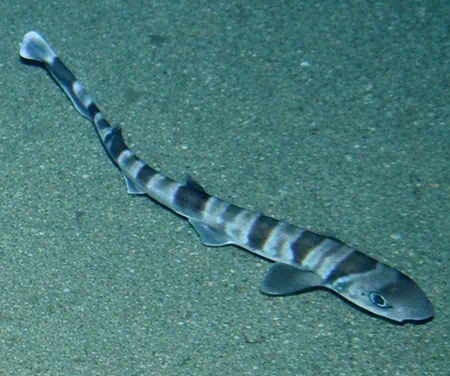
(Figaro boardmani)
Australian Sawtail Catshark
Австралійська пилкохвоста акула
It is widely distributed off southern Australia, ranging from Carnarvon in Western Australia to Noosa in Queensland, including all of Tasmania, at depths of 85–823 m.
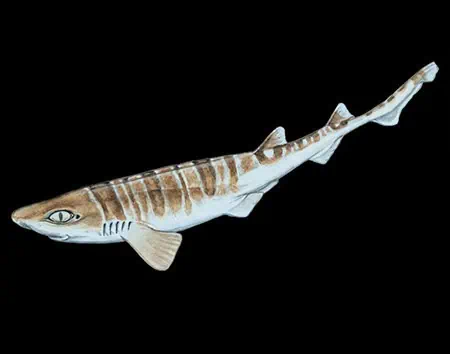
(Figaro striatus)
Northern Sawtail Catshark
Північна пилкохвоста акула
Its range is limited to the upper continental slope off Queensland, between Rockhampton and Townsville. It is found on or near the bottom at depths of 300–420 m.
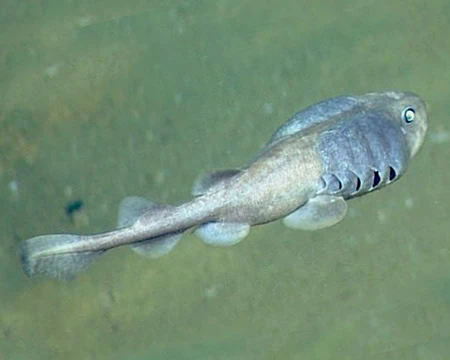
(Cephalurus cephalus)
Lollipop Shark
Котяча акула-пуголовок
It is found from the Gulf of California to off the southern Baja peninsula. It occurs around the outer continental shelf and upper continental slope at depths of 155–937 m.
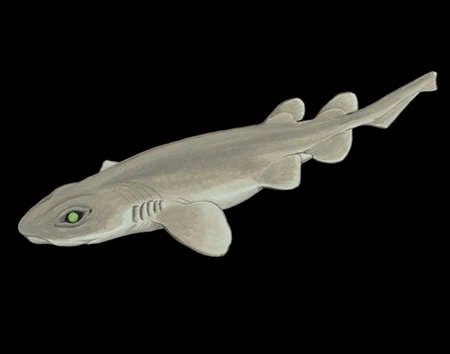
(Bythaelurus bachi)
Bach's Catshark
Котяча акула Баха
It is found on the southern Madagascar Ridge in the south-western Indian Ocean, at depths of 910–1,365 m.
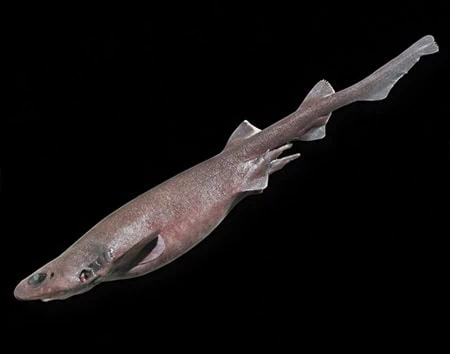
(Bythaelurus canescens)
Dusky Catshark
Котяча акула темна
It is endemic to the southeast Pacific Ocean, off the coasts of Peru and Chile, at depths of 250–700 m.
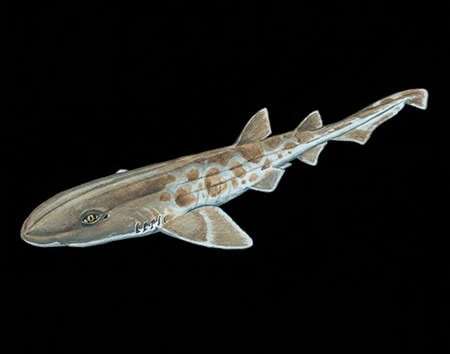
(Bythaelurus clevai)
Broadhead Catshark
Широкоголова котяча акула
The only specimen, the holotype, was found off Madagascar, at depths of 425–500 m.
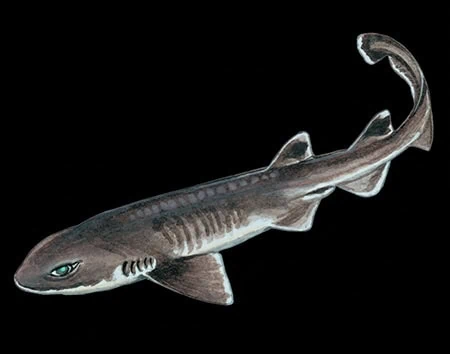
(Bythaelurus dawsoni)
New Zealand Catshark
Котяча акула Доусона
It is endemic to in the deep waters around New Zealand, at depths of 50–1,200 m.
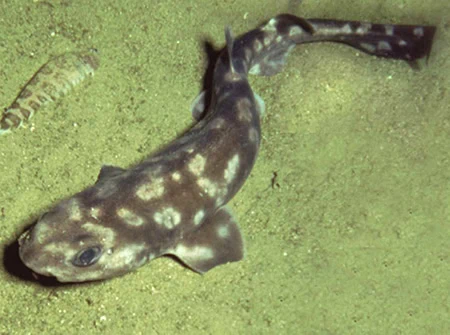
(Bythaelurus giddingsi)
Galápagos Catshark
Котяча акула галапагоська
It is known only from waters around several of the Galápagos Islands, including San Cristóbal Island, Darwin Island, Marchena Island and Fernandina Island, at depths of 428–562 m.
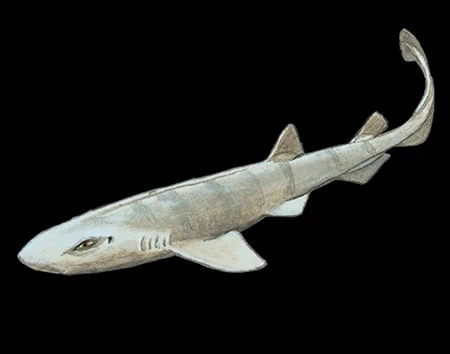
(Bythaelurus hispidus)
Bristly Catshark
Котяча акула колюча
It is found off south-eastern India and the Andaman Islands, between 15°N and 5°N, at depths of 200–300 m.
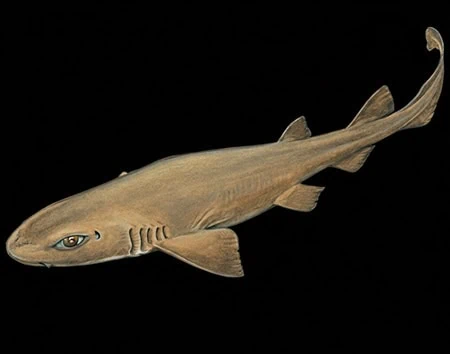
(Bythaelurus immaculatus)
Spotless Catshark
Котяча акула однотонна
It is found on the continental slope in the South China Sea, at depths of 535–1,020 m.
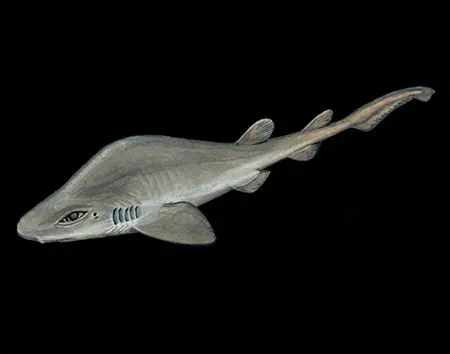
(Bythaelurus incanus)
Sombre Catshark
Котяча акула млиста
It is known from a single specimen south of Rote Island, north-western Australia, at depths of 900–1,000 m.
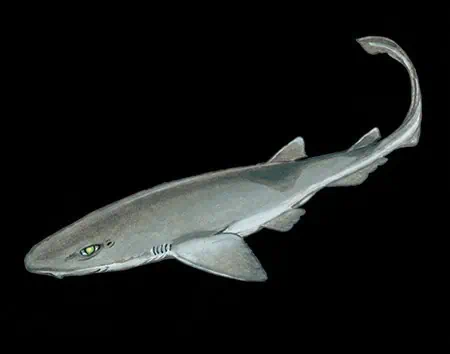
(Bythaelurus lutarius)
Mud Catshark
Котяча акула мулова
It is found in the open seas of the western Indian Ocean, from Mozambique to Somalia, between 13°N and 29°S, at depths of 340–765 m.
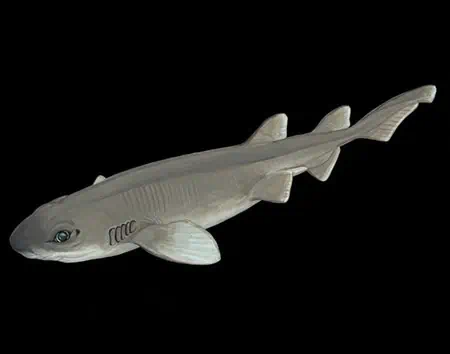
(Bythaelurus naylori)
Dusky-snout Catshark
Котяча акула чорнорила
It is found along the Southwest Indian Ridge in the south-western Indian Ocean, at depths of 89–1,443 m.
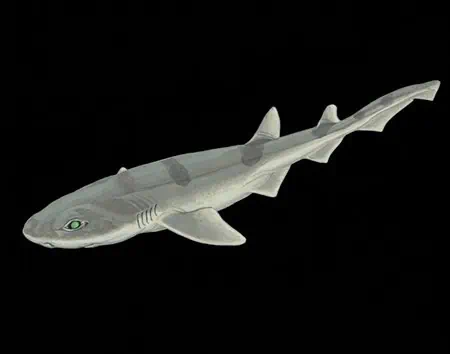
(Bythaelurus stewarti)
Error Seamount Catshark
Котяча акула Стюарта
It is endemic to Error Seamount, a guyot located in the Arabian Sea in the western Indian Ocean, at depths of 380–420 m.
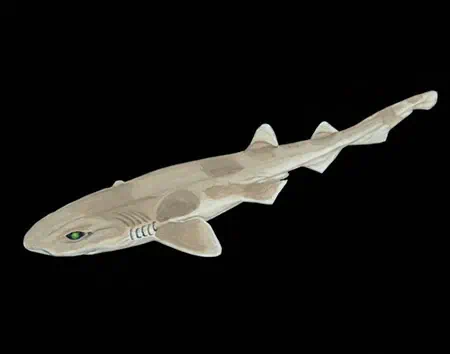
(Bythaelurus tenuicephalus)
Narrowhead Catshark
Котяча акула вузькоголова
It is found off Tanzania and Mozambique in the western Indian Ocean, at depths of 463–550 m.
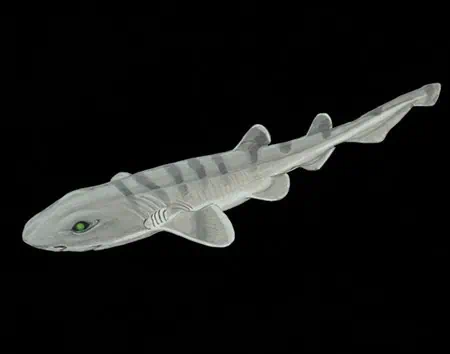
(Bythaelurus vivaldii)
Vivaldi's Catshark
Котяча акула Вівальді
It is found in north-western Indian Ocean, specifically in Somalia, at depths to 628 m.
(Bythaelurus alcockii)
Arabian Catshark
Котяча акула арабська
It is only known from a single specimen, now lost, which was found on the continental slope of the Arabian Sea, at depths of 1,134–1,263 m.
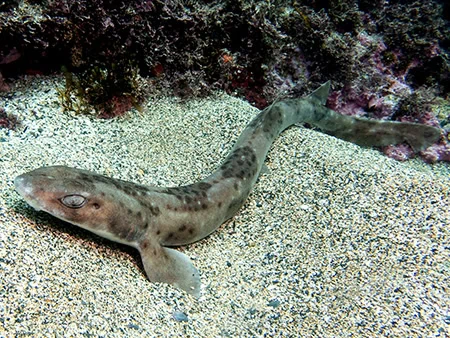
(Asymbolus analis)
Grey Spotted Catshark
Плямиста котяча акула австралійська
It is found only around Australia between 32 and 38°S, at depths of 10–180 m.
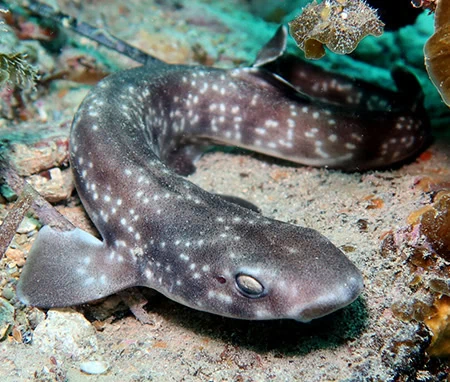
(Asymbolus vincenti)
Gulf Catshark
Плямиста котяча акула тасманійська
It is found only off the shores of southern Australia, at depths of 27–650 m.
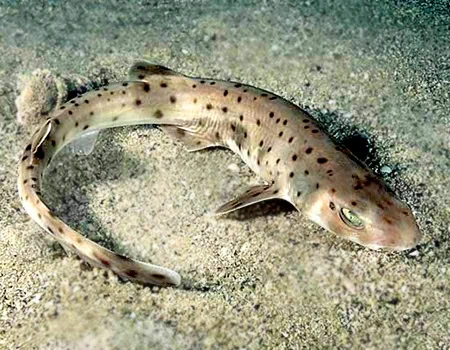
(Asymbolus rubiginosus)
Orange-spotted Catshark
Котяча акула помаранчево-плямиста
It is found only off the coast of Western Australia, at depths of 25–540 m.
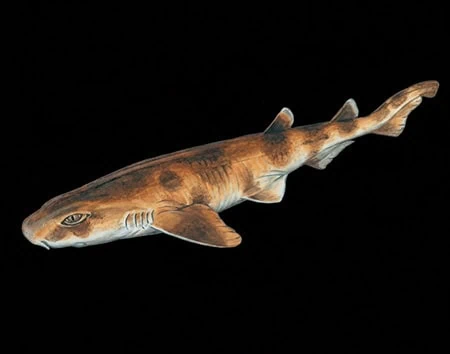
(Asymbolus funebris)
Blotched Catshark
Плямиста котяча акула мармурова
The only specimen, the holotype, being found off Western Australia at 144 m.
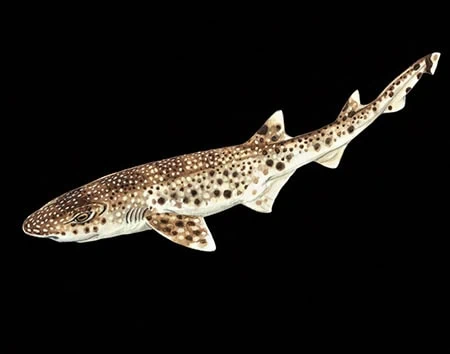
(Asymbolus galacticus)
Starry Catshark
Плямиста котяча акула зірчаста
It is found in New Caledonia, at depths of 235–550 m.
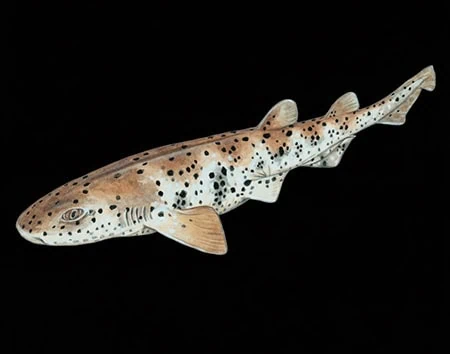
(Asymbolus submaculatus)
Variegated Catshark
Плямиста котяча акула строката
It is found off New South Wales and Western Australia, at depths of 30–200 m.
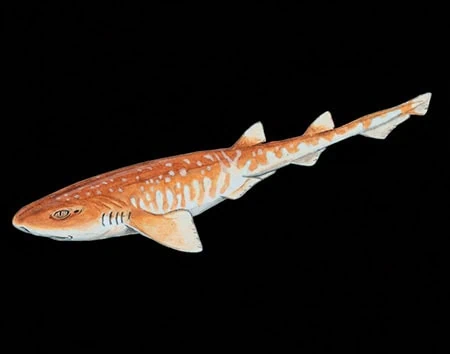
(Asymbolus parvus)
Dwarf Catshark
Плямиста котяча акула мала
It is found only off the coast of Western Australia, at depths of 200–400 m.
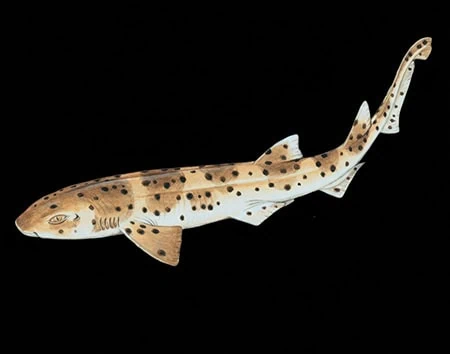
(Asymbolus occiduus)
Western Spotted Catshark
Плямиста котяча акула західна
It is found only around southwestern Australia, at depths of 100–400 m.
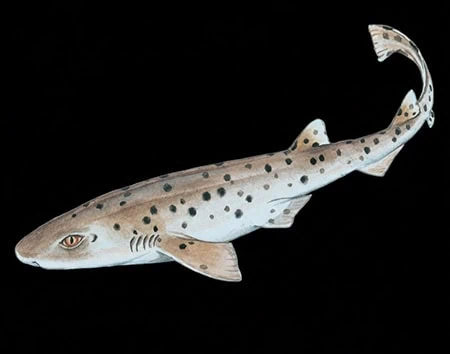
(Asymbolus pallidus)
Pale Spotted Catshark
Плямиста котяча акула бліда
It is found only off Queensland, Australia, at depths of 225–400 m.

(Apristurus albisoma)
White-bodied Catshark
Котяча акула білувата
It is found in the western Pacific, in southern waters off New Caledonia, on the slopes of seamounts along the Norfolk Ridge and Lord Howe Rise, at depths of 935–1,564 m.

(Apristurus ampliceps)
Roughskin Catshark
Акула котяча чорна грубошкіра
It is found in the open seas near Australia and New Zealand, at depths of 800–1,503 m.

(Apristurus aphyodes)
White Ghost Catshark
Котяча акула біла примарна
It is found in deep water in the north-eastern Atlantic Ocean between 57°N and 58°N, at depths of 1,014–1,800 m.

(Apristurus australis)
Pinocchio Catshark
Чорна котяча акула австралійська
It is found in Australia and possibly New Zealand, at depths of 590–1,000 m.

(Apristurus breviventralis)
Shortbelly Catshark
It is found in the Gulf of Aden, Indian Ocean, at depths of 1,000–1,120 m.

(Apristurus brunneus)
Brown Catshark
Котяча акула коричнева
It is ranging from the northern Pacific waters off the coast of British Columbia and south to the Baja California peninsula in Mexico. They may live as far south as Ecuador and Peru. It occurs at depths of 30–650 m.

(Apristurus bucephalus)
Bighead Catshark
Великоголова котяча акула
It is recorded from only three specimens taken off Perth, Western Australia, at depths of 1,030–1,140 m.

(Apristurus canutus)
Hoary Catshark
Чорна котяча акула антильська
It is found in the western central Atlantic Ocean, in the Leeward Islands off Antigua and Anguilla, at depths of 500–1,000 m.

(Apristurus exsanguis)
Flaccid Catshark
Котяча акула новозеландська
It is found only around New Zealand, at depths of 560–1,200 m.

(Apristurus fedorovi)
Fedorov's Catshark
Чорна котяча акула Федорова
It is found in the north-western Pacific Ocean, on the Tohoku Slope off Japan, at depths of 100–1,500 m.

(Apristurus garricki)
Garrick's Catshark
Чорна котяча акула Гарріка
It is found in the open seas of New Zealand.

(Apristurus gibbosus)
Humpback Catshark
Котяча акула горбата
It is found in the north-western Pacific Ocean off Zhujiang, South China Sea, at depths to 915 m.

(Apristurus herklotsi)
Longfin Catshark
Довгоплавцева чорна котяча акула
It is found in the western Pacific from Japan to the Philippines, and the East and South China Seas, and the Kyūshū-Palau Ridge, at depths of 530–865 m.

(Apristurus indicus)
Smallbelly Catshark
Чорна котяча акула індійська
It is found in the western Indian Ocean near Somalia, the Gulf of Aden, and Oman, at depths of 1,300–1,840 m.

(Apristurus internatus)
Shortnose Demon Catshark
Демонічна котяча акула коротконоса
It is found only in deep water in the East China Sea.

(Apristurus investigatoris)
Broadnose Catshark
Чорна котяча акула широконоса
The holotype and only specimen being found in deep water in the Andaman Sea in the Indian Ocean between 16 and 10°N.

(Apristurus japonicus)
Japanese Catshark
Чорна котяча акула японська
It is found in the north-western Pacific off Chiba Prefecture, Honshū, Japan, between 36 and 34°N.

(Apristurus kampae)
Longnose Catshark
Чорна котяча акула носата
It is found in the eastern central Pacific Ocean, from central and southern California and the Gulf of California, between 38°N and 23°N, at depths to 1,890 m.

(Apristurus laurussonii)
Flathead Catshark
Котяча акула ісландська
It is found in the western Atlantic, from Massachusetts and Delaware to the northern Gulf of Mexico, and in the eastern Atlantic from Iceland and southwestern Ireland to the Canary Islands, Madeira, and South Africa. It occurs at depths of 550–1,450 m.

(Apristurus longicephalus)
Longhead Catshark
Чорна котяча акула довгоголова
It has a patchy distribution in the Indo-Pacific from Mozambique to southern Japan to northern Australia, at depths of 500–1,140 m.

(Apristurus macrorhynchus)
Flathead Catshark
Чорна котяча акула великорила
It is found in the north-western Pacific, off south-eastern Honshu, Japan, and Taiwan.

(Apristurus macrostomus)
Broadmouth Catshark
Чорна котяча акула широкорота
The holotype and only specimen was taken from off Zhujiang in the South China Sea, at a depth of 913 m.

(Apristurus manis)
Ghost Catshark
Чорна котяча акула примарна
It is found in deep water in the Atlantic Ocean between 40° and 60°N, at depths of 600–1,900 m. It occurs on the continental slopes off Massachusetts in the United States and on Porcupine Bank west of Ireland. It has also been reported from deep water in the vicinity of Cape Town, South Africa.

(Apristurus manocheriani)
Manocherian's Catshark
Чорна котяча акула Маночеріана
It is found in the south-western Indian Ocean, at the southern end of the Madagascar Ridge, specifically at Walters Shoal, at depths of 89–1,300 m.

(Apristurus melanoasper)
Fleshynose Catshark
Чорна грубошкіра котяча акула
It is found in the North Atlantic, as well as off southern Australia and New Zealand. It inhabits continental shelves at depths of 510–1,520 m.

(Apristurus microps)
Smalleye Catshark
Чорна котяча акула малоока
It is found in the south-eastern Atlantic, from the Orange River to Cape Agulhas, South Africa; it is also known from the North Atlantic. It occurs at depths of 1,000–2,200 m.

(Apristurus micropterygeus)
Smalldorsal Catshark
Короткоспинна котяча акула
It is found in the South China Sea, at depths to 915 m.

(Apristurus nakayai)
Milk-eye Catshark
Чорна котяча акула молочноока
It is found in the open seas of Coriolis Bank off western New Caledonia, at depths of 953–1,022 m.

(Apristurus nasutus)
Largenose Catshark
Чорна котяча акула великоноса
It is found on the upper continental slopes in the eastern Pacific, from the Gulf of Panama to Ecuador and central Chile, between 9°N and 28°S. It occurs at depths of 400–925 m.

(Apristurus parvipinnis)
Smallfin Catshark
Чорна котяча акула короткоплавцева
It is found in the western Atlantic at depths of 35–1,115 m.

(Apristurus pinguis)
Bulldog Catshark
Гладка котяча акула
It is found in the deep waters of the East China Sea and the north-western Pacific Ocean, at depths of 200–1,000 m.

(Apristurus platyrhynchus)
Spatulasnout Catshark
Чорна котяча акула пласкоголова
It is found in the western Pacific Ocean, ranging from southern Japan to Kalimantan, and occurring in the waters of the Philippines and western China.

(Apristurus profundorum)
Deepwater Catshark
Глибоководна котяча акула
It is found in the western Atlantic from Delaware Bay to Suriname, and in the eastern Atlantic from Morocco to north-western Africa, at depths of 256–1,830 m.

(Apristurus riveri)
Broadgill Catshark
Широкозяброва чорна котяча акула
It is found in the Gulf of Mexico and the Caribbean Sea, between 30°N and 9° N, on the continental slopes at depths of 700–1,500 m.

(Apristurus saldanha)
Saldanha Catshark
Чорна котяча акула Салданха
It is found from Cape Columbine to south of False Bay in South Africa, between 31°S–40°S, at depths of 344–1,009 m.

(Apristurus sibogae)
Pale Catshark
Чорна котяча акула макасарська
The only known specimen was collected on the slope of the Makassar Strait, between Borneo and Sulawesi, at a depth of 655 m.

(Apristurus sinensis)
South China Catshark
Чорна котяча акула китайська
It is known only from the holotype, which was taken from the South China Sea at a depth of 537 m.

(Apristurus spongiceps)
Spongehead Catshark
Губчаста котяча акула
It is known from only two specimens collected in the Pacific Ocean: an adult taken near Bird Island, Hawaii, and a juvenile from the Banda Sea off Sulawesi. It occurs on or near the bottom along insular continental slopes at depths of 570–1,480 m.

(Apristurus yangi)
Yang's Longnose Catshark
Довгоноса котяча акула Янга
It is believed to inhabit the Bismarck Archipelago, north-east of Papua New Guinea. It might live at depths of 630–786 m.

(Apristurus stenseni)
Panama Ghost Catshark
Чорна котяча акула панамська
It is only found off Panama, between 9°N and 2°N. It occurs at depths of 915–975 m.
The genus (Apristurus) also includes: Copy Catshark (Apristurus iterum).

(Akheilos suwartanai)
Ambon Catshark
Амбонська котяча акула
The type locality is Rumahkay, southwest of Seram Island, between Seram and Ambon Islands in eastern Indonesia.
